- Free Standard Delivery Over £45
- UK Registered Pharmacy
- Discreet Delivery
- Authentic & Safe Medication
Acid Reflux
Acid reflux is a common digestive condition that affects millions of people globally. It is also referred to as gastroesophageal reflux (GORD) or heartburn. Gastroesophageal reflux disease (GORD) is a more severe form of acid reflux, which can affect your quality of life if untreated.
At Ashcroft Pharmacy, UK‑registered prescribers review your online consultation and can recommend suitable prescription treatments for acid reflux and heartburn, with fast, discreet delivery across the UK. Answer the questions in our secure online consultation (available when you click any treatment below), and a clinician will advise the best option based on your symptoms and medical history.


Info: Before issuing a treatment, you’ll need to answer a short assessment. This will help us recommend the right treatment for you.
Acid Reflux medications

Omeprazole
From £1.99
Lansoprazole Capsules
From £2.99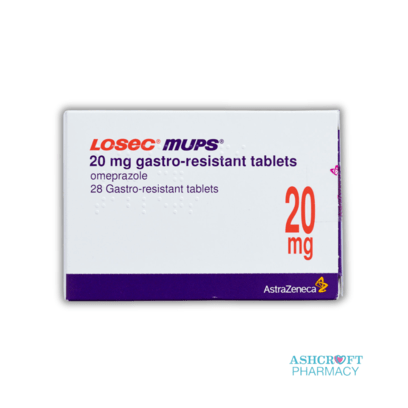
Losec MUPS
From £23.99
Order in the next for Friday delivery
Overview
About Acid Reflux (GERD)
Acid reflux, indigestion, and heartburn are very common digestive problems and are not always a sign of disease. However, if you experience symptoms more than twice a week, you may have gastro‑oesophageal reflux disease (GORD), where stomach acid regularly leaks back into the oesophagus (food pipe).
GORD occurs when the lower oesophageal sphincter (LES) does not close properly, allowing acid to move upwards and irritate the oesophagus. This can cause heartburn (a burning sensation in the chest), chest pain, regurgitation, difficulty swallowing, chronic cough, and a sour or bitter taste in the mouth. The condition can affect people of all ages, with around one in five adults experiencing reflux symptoms, especially those over 40.
Proton pump inhibitors (PPIs) are a key class of medicines used to treat acid reflux, as they suppress stomach acid production and help relieve symptoms while the oesophagus heals. PPIs available from Ashcroft Pharmacy include omeprazole, lansoprazole, and Losec MUPS, which are commonly used in both primary care and online prescribing services.
Normal Acid Reflux vs. GERD
- Frequency: Normal acid reflux usually happens less than once a week. GORD happens at least twice a week for several weeks.
- Duration: Normal acid reflux usually goes away on its own within a few minutes or hours. GORD symptoms may last for hours or even days, and they keep coming back.
- Severity: Mild, everyday reflux is often manageable with self-care; more severe GORD can interfere with daily life and may necessitate prescription treatment and ongoing review.
How Does Acid Reflux Happen?
The lower esophageal sphincter (LES) is a ring of muscle that acts like a valve between the oesophagus and stomach. Under normal circumstances, it opens to let food through and then closes again, preventing stomach acid and contents from flowing back up.
If the LES relaxes at the wrong time, becomes weak or is put under extra pressure, acid can leak up into the oesophagus and cause heartburn and other reflux symptoms. Lying down after large meals, certain foods and lifestyle factors can all make this more likely.
Who is at risk for acid reflux?
Anyone can develop acid reflux, but some people are at higher risk than others. Risk factors for acid reflux include:
- Being overweight or obese, which increases pressure on the stomach and LES.
- A hiatal hernia where part of the stomach pushes through the diaphragm into the chest.
- Pregnancy, due to hormonal changes and increased pressure on the abdomen.
- Smoking, which weakens the LES and irritates the oesophagus.
- Large or late‑night meals, especially within 2–3 hours of lying down.
- Alcohol, fatty or fried foods, chocolate, coffee, and citrus fruits, which are common dietary triggers.
- Delayed gastric emptying (slow stomach emptying), which can increase pressure in the stomach.
- Certain medicines, such as NSAIDs (e.g. ibuprofen, aspirin) and some antidepressants, can irritate the oesophagus or affect the LES.
- Older age, as the LES can weaken over time, and a family history of reflux, which can increase the likelihood of developing symptoms.
If you are at higher risk, steps such as maintaining a healthy weight, avoiding smoking and alcohol, eating smaller meals, and avoiding trigger foods can help reduce symptoms. If you experience reflux more than twice a week or have severe symptoms, it is important to speak to a clinician or complete an online consultation for assessment.
When Should You See Your Doctor About Acid Reflux?
You should see your doctor if you experience:
- Persistent stomach or heartburn symptoms.
- Unexplained weight loss, blood in stool, or black, tarry stools.
- Difficulty swallowing, choking episodes, or food getting stuck.
- Chronic fatigue, chest pain, or breathing problems.
- A family history of gut problems or oesophageal conditions.
- Symptoms that do not improve with treatment or suddenly worsen.
If you might be pregnant, have your symptoms checked promptly. Seeking medical advice is crucial for proper evaluation and guidance on your digestive health.
Causes
Causes of Acid Reflux:
A hiatal hernia is a common cause of acid reflux and occurs when the upper part of the stomach bulges through the diaphragm, the muscle that separates the chest from the abdomen. This can weaken the barrier that normally keeps acid in the stomach, making reflux into the oesophagus more likely.
Other common causes and triggers include obesity, pregnancy, smoking, stress or anxiety and certain medicines such as ibuprofen and aspirin. Eating large meals or eating within a few hours of bedtime can also contribute, because there is less time for the stomach to empty before lying down. Managing these lifestyle factors, along with appropriate treatment, can make a significant difference to symptoms
Symptoms
Symptoms of Acid Reflux?
The primary symptom of GORD is heartburn, characterized by a burning pain in the chest that radiates up to the neck and throat. People often say it feels like food is coming back into their mouth, leaving a sour or bitter taste.
Gastroesophageal Reflux Disease (GORD) symptoms are usually worse at night or when bending or lying down, and after meals. Acid reflux symptoms include:
- Upper abdominal or chest pain.
- Nausea and bad breath.
- Regurgitation of food or liquid.
- Painful burning sensations in the throat or chest.
- Difficulty swallowing or a feeling that food is stuck.
- Belching (burping) and excessive salivation.
- Tooth erosion caused by repeated acid exposure.
- Wheezing, asthma‑like symptoms or a persistent cough
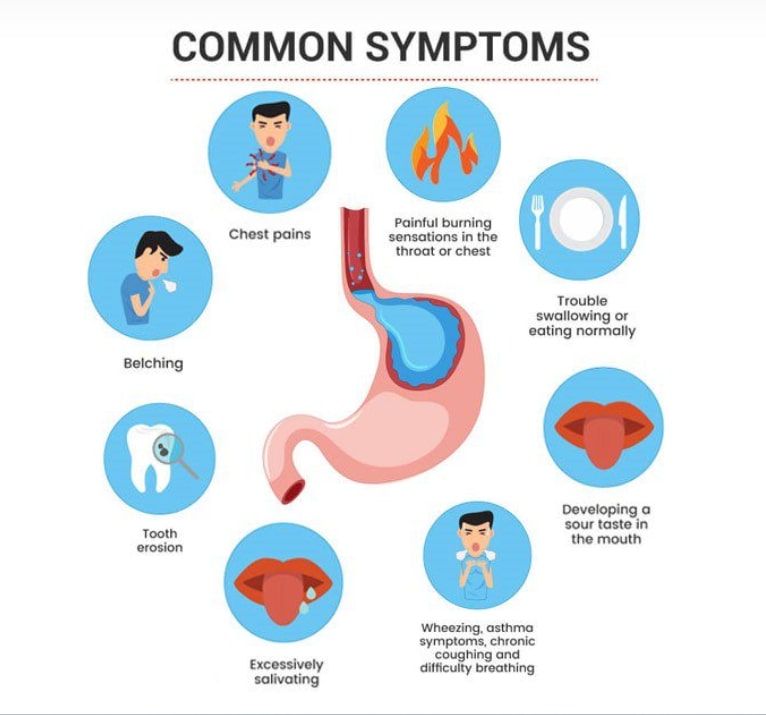 Image is educational purpose only
Treatments
What are the best medicines for Heartburn and Acid Reflux?
Prescription Acid Reflux tablets and capsules:
For more persistent symptoms, a clinician may recommend prescription PPIs:
- Lansoprazole: An effective proton pump inhibitor (PPI) that reduces stomach acid production.
- Omeprazole 10 mg, 20 mg: A highly potent medication that helps to stop excessive stomach acid production.
- Losec MUPS (omeprazole): A dispersible PPI tablet designed for acid reflux and GORD, often used when standard capsules are unsuitable.
These medicines are available through Ashcroft Pharmacy’s online prescribing service, where a UK‑registered prescriber checks your assessment before any prescription is issued.
FAQ
What are the Treatments for Acid Reflux?
There is no cure for acid reflux. Symptoms can be managed effectively with lifestyle changes such as eating smaller portions more often (rather than less frequent larger portions), prescription medication and over the counter medication can treat the symptoms of acid reflux.
How can I avoid Acid Reflux?
Some people suffer from long-term acid reflux to reduce the chance of symptoms:
- Eat smaller meals more often instead of large, heavy meals.
- Avoid lying down for at least 2–3 hours after eating.
- Maintain a healthy weight and avoid tight clothing around your abdomen.
- Identify and limit trigger foods such as spicy, fatty or acidic foods, chocolate, coffee, and alcohol.
- Raise the head of your bed to keep acid in the stomach while you sleep.
Is acid reflux dangerous?
Acid reflux is usually not dangerous, but persistent or severe cases may lead to complications known as gastroesophageal reflux disease (GERD).
Possible complications include esophagitis, Barrett's esophagus, strictures, and respiratory issues.
It's important to seek medical advice for persistent or worsening symptoms to prevent potential complications, including rare cases of esophageal cancer associated with untreated GERD.
How common is acid reflux in UK?
Acid reflux is quite common in the UK, with around 1 in 5 people experiencing it. As we age, the likelihood of experiencing symptoms of heartburn increases.
It's important to note that persistent or severe symptoms may require attention from healthcare professionals for proper management.
What causes acid reflux?
Acid reflux happens when stomach acid goes back up into the tube that connects the throat to the stomach. It often occurs because a door-like muscle (lower esophageal sphincter) doesn't work properly.
Eating too much, certain foods, being overweight, and smoking can make it worse. Managing what you eat and other habits can help treat it.
How do you get rid of acid reflux?
To alleviate acid reflux, consider dietary changes and medications like Gaviscon or omeprazole.
Here are some steps to relieve acid reflux:
- Avoid trigger foods.
- Eat smaller, frequent meals.
- Stay upright after eating.
- Elevate your head while sleeping.
- Quit smoking.
- Use antacids or H2 blockers.
- Consider prescription PPIs for severe cases.
- Limit alcohol and caffeine. Consult a healthcare professional for persistent or severe symptoms.
Lansoprazole Orodispersible
Losec Capsules
Losec MUPS
Lansoprazole Capsules
Hear from our customers...
Loading reviews...
Ordering is quick and easy!

Step 1:
Select the Treatment You’d LikeOur medical team will check it’s safe and suitable for you.
Step 2:
Free Online ConsultationStart a free 2 minutes online consultation with simple questions about your health.
Step 3:
Express DeliveryYour treatment will be sent direct from our pharmacy in discreet packaging.