- Free Standard Delivery Over £45
- UK Registered Pharmacy
- Discreet Delivery
- Authentic & Safe Medication
Premature Ejaculation
Premature ejaculation can be an embarrassing and lonely condition, but at Ashcroft Pharmacy, we want to support every man to feel confident that they can deal with their condition. Priligy has been proven to help deal with the symptoms of premature ejaculation to allow you to feel more confident and satisfied in your sexual interactions. Please see below and fill out the health questionnaire so we can make sure that either of these treatments is suitable for you!


Info: Before issuing a treatment, you’ll need to answer a short assessment. This will help us recommend the right treatment for you.
Premature Ejaculation medications
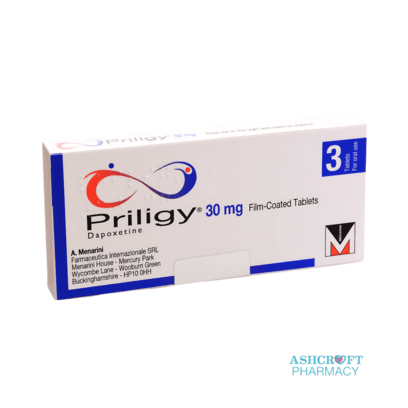
Priligy 30mg - Stop Premature Ejaculation
From £18.99
Order in the next for Friday delivery
Hear from our customers...
Loading reviews...
Ordering is quick and easy!

Step 1:
Select the Treatment You’d LikeOur medical team will check it’s safe and suitable for you.
Step 2:
Free Online ConsultationStart a free 2 minutes online consultation with simple questions about your health.
Step 3:
Express DeliveryYour treatment will be sent direct from our pharmacy in discreet packaging.