Acne is a prevalent skin condition affecting millions globally, is more than just a collection of pimples; it's a complex interplay of biological factors impacting skin health.
These often painful and pus-filled bumps can impact individuals of all ages, with teenagers and young adults being the most commonly affected.
Acne is a long-term skin condition that can affect the face, back, and neck. It is characterized by oily skin, whiteheads, blackheads, and inflamed spots that can be painful to touch.
The condition can also cause people to be embarrassed and lack confidence. Acne is most common in people aged between 11 and 30.
Understanding Acne
Acne, scientifically known as acne vulgaris, is a multifactorial skin disorder characterized by the formation of blackheads, whiteheads, pimples, nodules, and cysts.
The primary factors include hair follicles, sebaceous (oil) glands, dead skin cells, and bacteria. When these elements converge, they create a breeding ground for acne.
Who Gets Acne?
While acne affects people of all races and ages, it is most common in teenagers and young adults. Teenage acne is more prevalent in males, but adult acne, especially hormonal variants, is more common in women.
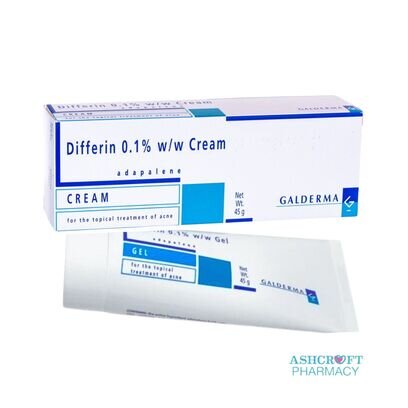
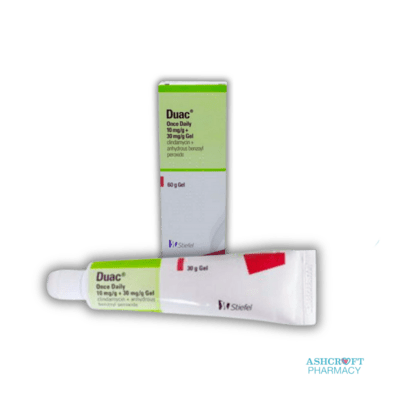
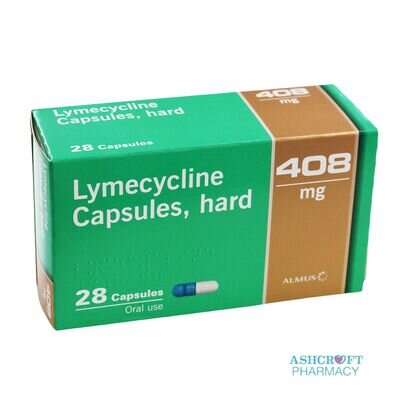
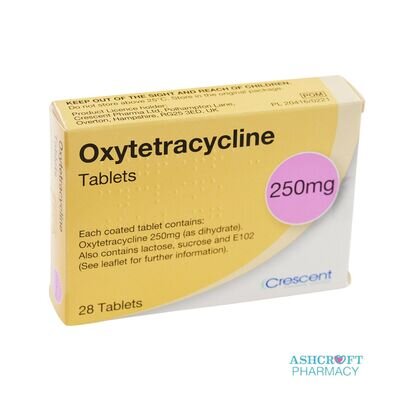
Acne Treatment: Acne is treatable, there several effective treatments for acne available at Ashcroft Pharmacy including Differin, Epiduo, Lymecycline, and Oxytetracycline.
Types of Acne:
There are two types of acne: Commedonal acne and inflammatory acne.
Comedones: Comedonal acne is small bumps that appear on the forehead or the chin giving you rough skin. Examples of these bumps include Whiteheads, blackheads, micro comedones, solar comedones, macro comedones, and giant comedones. This type of acne is common in young adolescents.
Inflammatory Acne: They are inflamed pus-filled pimples found deep into your skin. Examples of inflammatory acne blemishes include Nodules, cysts, and pustules.
Differences Between Inflammatory and Comedone Acne
Inflammatory Acne:
- Pimples appear deep in your skin surface
- Pimples are swollen, painful, and contain pus
- Common in all types of ages
- Pimples may appear in the form of pustules, cysts, or nodules
Comedone Acne:
- Blemishes appear closer to your skin surface
- Blemishes aren't swollen or painful
- Common in young adolescents
- Blemishes may appear in the form of blackheads or whiteheads
Acne-Resilient Lifestyle
The amount of sebum in your skin is directly influenced by your lifestyle. Practicing a healthy lifestyle will help you maintain smooth, naturally glowing skin. Some of the lifestyle tips that you can adopt include:
- At-Home Skincare routines for acne:
- Gentle Cleansing: Regular cleansing with mild products aids in controlling oil and preventing clogs.
- Moisturization: Always use Non-comedogenic, oil-free moisturizers to maintain skin hydration.
- 2. Preventive Measures
Dietary Choices: While the direct link between diet and acne is debated, a balanced, nutrient-rich diet is generally beneficial.
Foods that raise your blood sugar quickly cause your body to release IGF-1 hormone, excess of this hormone in your blood causes your oil glands to produce more sebum, increasing acne.
White sugar, pasta, and white bread are a few examples of blood sugar foods that you can avoid in your diet.
Lifestyle Adjustments: To prevent acne practice stress management, regular exercise, and avoid pore-clogging substances contributing to acne.
Diagnosis and Evaluation
Your healthcare provider can diagnose your symptoms by enquiring about your medical history, and physical examination and later evaluate your results by taking a lab test.
Diagnostic Approaches
- Medical History: Healthcare providers inquire about your family history, hormonal changes, and medication usage.
- Physical Examination: Skin assessments help in categorizing acne types and evaluating severity.
- Laboratory Tests : In typical acne cases, lab tests are seldom necessary. However, they may be recommended if unusual presentations or underlying conditions are suspected.