
- Free Standard Delivery Over £45
- UK Registered Pharmacy
- Discreet Delivery
- Authentic & Safe Medication
Cystitis
Cystitis is inflammation of the bladder, commonly caused by a bacterial infection, also known as a Urinary Tract Infection (UTI) in medical terms, and often referred to as a "water infection" by the general public. At Ashcroft Pharmacy, you can be prescribed a 3-day course of antibiotics to treat your cystitis by one of our prescribers.


Info: Before issuing a treatment, you’ll need to answer a short assessment. This will help us recommend the right treatment for you.
Cystitis medications
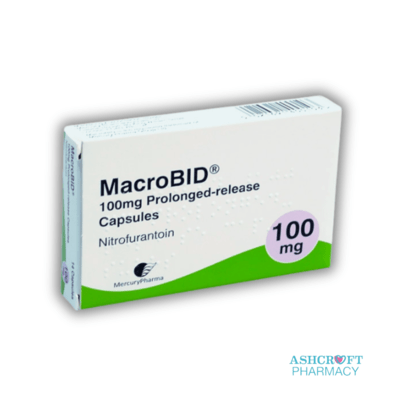
Nitrofurantoin MR
From £13.99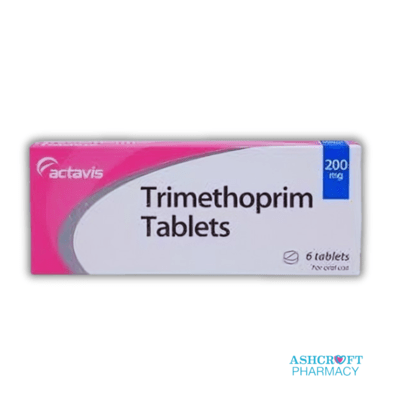
Trimethoprim
From £9.99
Order in the next for Friday delivery
Hear from our customers...
Loading reviews...
Ordering is quick and easy!

Step 1:
Select the Treatment You’d LikeOur medical team will check it’s safe and suitable for you.
Step 2:
Free Online ConsultationStart a free 2 minutes online consultation with simple questions about your health.
Step 3:
Express DeliveryYour treatment will be sent direct from our pharmacy in discreet packaging.