
Is Omeprazole Safe in Pregnancy?
By Mr Suhail Jamil



Omeprazole is a medication commonly used to treat acid reflux and gastroesophageal reflux disease (GORD). It belongs to a group of drugs called proton pump inhibitors (PPIs), which work by reducing the amount of acid produced in the stomach. By lowering stomach acid levels, Omeprazole helps relieve symptoms such as heartburn, indigestion, and irritation of the oesophagus.
This medication is available both over the counter in lower doses and by prescription for stronger treatment. It is typically recommended when lifestyle modifications or antacids are not enough to control symptoms.
Many pregnant women experience heartburn and acid reflux due to hormonal changes and increased pressure of the growing baby on the stomach. These symptoms can be persistent and uncomfortable, often leading pregnant women to consider medications like Omeprazole for relief.
Given the understandable concerns around medication safety during pregnancy, it’s important to ask whether Omeprazole is safe for pregnant women. In this blog, we’ll explore what scientific research and UK health guidelines say about its use, as well as safe ways to manage acid reflux during pregnancy.
Omeprazole Use in Pregnancy
Omeprazole can be given during pregnancy to treat severe symptoms if other treatments have not worked. NHS guidelines state it should be a last resort in primary care, and only after a shared care discussion regarding the potential risks and benefits, and limited evidence regarding safety and efficacy in pregnancy. The UK teratology information service (UKTIS) website contains further information on the use of acid-suppressing drugs in pregnancy, which can be accessed via the following link:
- UKTIS, BUMPS: H2 receptor antagonists use in pregnancy
- UKTIS, BUMPS: Omeprazole use in pregnancy
The manufacturers of Omeprazole state it can be commonly used in pregnancy; however, there is a lack of data for the other PPIs, and therefore, they are not routinely prescribed. There is no good evidence that Omeprazole is linked to miscarriage, birth defects, stillbirth, preterm delivery, or low infant birthweight. Some studies have shown a link between reduced stomach acid and allergy and asthma in children. Further research is required to confirm a definitive link.
Will Taking Omeprazole During Pregnancy Cause Birth Defects?
People have concerns about taking medications during pregnancy, especially concerns about birth defects. But many studies show that Omeprazole, a PPI used to treat acid reflux and heartburn, does not substantially raise the risk of congenital anomalies
A large cohort study with more than 2.6 million pregnancies did not find a substantial association between first-trimester PPI use and major congenital malformations, including heart defects and cleft palate. According to a meta-analysis of seven studies, there was no significant risk of birth defects with PPI use during the first trimester.
Some of the evidence has been reviewed by the National Institute for Health and Care Excellence (NICE) in the UK and found tthat here is no statistically significant difference in the number of fetal deaths or preterm births between pregnant women exposed to PPIs compared to those who are not.
These findings support the conclusion that Omeprazole is less likely to be a major teratogen, indicating that it is safe for use in pregnant patients when indicated clinically. However, you must always consult your doctor before taking any medication during pregnancy.
What If You Have Already Taken Omeprazole While Pregnant?
If you have taken Omeprazole during pregnancy, especially before you knew you were pregnant, you might feel concerned. However, you should not panic as Omeprazole is less likely to increase the risk of birth defects or complications, and many women have taken it safely during pregnancy under medical supervision.
Occasional or accidental use in early pregnancy is unlikely to cause harm, but you must always consult your healthcare professional for better advice or to help you decide if you want to continue or look for another pregnancy-safe option to manage symptoms.
Is There Any Risk If The Father Consumes Omeprazole?
No evidence taking Omeprazole by the father causes any risks to pregnancy or the baby. Omeprazole does not significantly affect sperm quality and fertility in any way, or cause problems with conception and fetal development when used paternally. However, both partners must consult their doctor before taking Omeprazole, especially if they are planning a pregnancy.
Risks vs. Benefits for Pregnant Women?
Omeprazole is usually considered during pregnancy to manage GORD. However, doctors must make a shared care decision, weighing up the benefits and risks in pregnancy to ensure fetal safety.
| Benefits | Risks |
| Alleviate symptoms and offer relief | Affect gut microbiota |
| Improve maternal health | Risk of fetal exposure as Omeprazole can cross the placenta |
| Prevent complications such as sleep disturbance, oesophagitis, and malnutrition. | Possible risk of asthma or allergies in the child |
When Should You Take Omeprazole in Pregnancy?
If symptoms of severe GERD in pregnancy, such as oesophagitis, acid regurgitation, or persistent heartburn, do not respond to lifestyle changes and first-line medications such as antacids, then Omeprazole may be considered by an appropriate physician during pregnancy. This is only after a thorough consultation with the patient and a shared care agreement.
It is reserved for severe cases, particularly when symptom control is needed for maternal well-being. Understanding when to use Omeprazole includes careful evaluation of both risks and benefits, and it should only be started under medical supervision. A consultation is needed to determine the correct dosage, timing, and monitoring during treatment to protect the mother and the baby.
Safe Alternatives to Omeprazole During Pregnancy
The safe alternatives to Omeprazole during pregnancy are:
- Pregnancy-safe antacids such as Gaviscon and Rennie are most commonly recommended; they work by neutralising the stomach acid without affecting long-term acid production.
- Lifestyle changes such as eating smaller meals, avoiding spicy or acidic foods, remaining upright for at least two hours after eating, and sleeping in an elevated head position work for those preferring natural heartburn relief.
You must always consult your healthcare provider before taking any medications or opting for these GERD alternatives.
Let’s Wrap Up!
Research suggests that Omeprazole is generally considered safe by the manufacturers for use during pregnancy when taken under medical supervision, particularly for women experiencing severe symptoms. However, because data on its use in pregnancy are still limited, healthcare professionals often advise trying pregnancy-safe antacids or making lifestyle adjustments before turning to this medication. It is important to consult your doctor to confirm whether Omeprazole is appropriate for you during pregnancy, ensuring the well-being of both mother and baby.
Frequently Asked Questions
Is Omeprazole safe in the first trimester?
Omeprazole is safe for use in the first trimester. Studies have not shown an increased risk of miscarriage or birth defects if used early in pregnancy.
Can Omeprazole cause miscarriage?
There is no link between Omeprazole and miscarriage. Studies have not found any risk of miscarriage with PPI use, including Omeprazole, supporting PPI safety during pregnancy.
Can Omeprazole affect breastfeeding?
Omeprazole is safe to use during breastfeeding as only a small amount can pass into breast milk and is unlikely to harm a nursing infant.
Resources
The Use of Medication in Pregnancy - PMC

Omeprazole
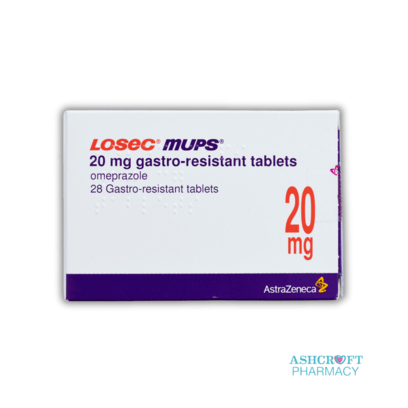
Losec MUPS

Receive Tomorrow if you place order in next