
How Erectile Dysfunction Can Impact Long-Term Relationships
By Mr Suhail Jamil



Erectile dysfunction (ED) is more than just a physical condition—it can profoundly affect the emotional bond within long-term relationships. In the UK, nearly half of men aged 40 to 70 experience ED. Despite its prevalence, the topic is often avoided, leading to misconceptions, frustration, and painful feelings of distance between partners.
When left unaddressed, ED can gradually undermine intimacy, trust, and self-confidence, impacting both individuals and their relationship as a whole. Many couples begin to drift apart, held back by shame, fear of rejection, or uncertainty about how to start the conversation. In this blog, we’ll explore how ED can influence long-term relationships and why maintaining openness and empathy is key to managing it together.
What is Erectile Dysfunction?
The consistent inability to achieve or maintain an erection firm during sexual activity is known as erectile dysfunction. This is a common condition that affects men of all ages, but its prevalence tends to increase with age.
Frequently regarded as a purely physical problem, ED can have an impact on long-term relationships, affecting both partners' emotional and sexual health. When left unattended, it may lead to a lack of emotional intimacy, misunderstandings, or strain between partners.
The first step in managing the effect of ED on your relationship is to understand ED as a medical condition, not a personal failure.
What are the Causes of Erectile Dysfunction?
A range of psychological, physical, and lifestyle factors can contribute to ED, such as:
Psychological factors:
- Anxiety
- Depression
- Stress
- Relationship issues
Physical factors
Underlying health conditions such as diabetes, high blood pressure, hormonal imbalance, or heart disease
Lifestyle factors
- Poor diet
- Alcohol consumption
- Smoking
- Lack of exercise

Sildenafil Tablets (25mg, 50mg,100mg)
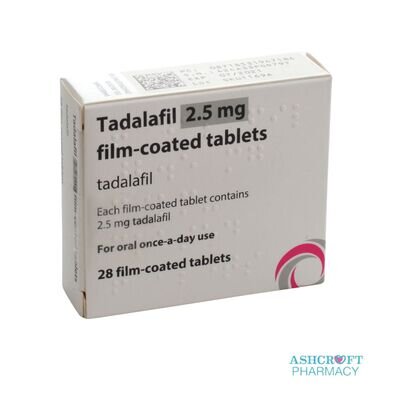
Tadalafil Daily (generic Cialis)

Receive Tomorrow if you place order in next
Things that Help with Erectile Dysfunction
If you are experiencing erectile dysfunction, the first and most important step is to talk about it to your partner and a healthcare professional. In long-term relationships, open communication helps reduce pressure and enhances emotional intimacy, helping you navigate an issue together.
Opt for certain lifestyle changes such as eating a balanced diet, being active, quitting smoking, and drinking alcohol in moderation to support sexual health. In cases where psychological factors are involved, managing stress through relaxation techniques or even through counselling can also be very helpful. But in many cases, ED is linked to underlying health conditions; therefore seek medical help for proper diagnosis and explore treatment options ranging from oral medications to therapy.
Besides these, do not think it does not exist or ignore it. Often, many couples opt to avoid intimacy altogether, which can strain the relationship and lead to emotional distance. Do not self-medicate with online pills or unsupported treatments — none of these may be effective and all can be dangerous.
It’s also important to avoid placing blame on yourself or your partner — ED is a medical issue, not a reflection of masculinity or desire. Suppressing emotions or ignoring how you feel can intensify anxiety and strain the relationship further. Instead, approach it as a shared challenge, one that you can navigate together with understanding, compassion, and the right support.
Effect on Sexual Satisfaction and Physical Intimacy
Going through the agony of erectile dysfunction (ED) can lead to significant disruption of a relationship’s physical intimacy as well as overall sexual satisfaction. A once fulfilling and regular part of a couple’s routine can turn into a source of pressure or even distress, causing a noticeable drop in closeness and leading to sexual dysfunction.
With time, this disruption can lead to libido loss in one or both partners due to the fact that frustration or fear of failure supersedes desire. In some cases, couples start to avoid intimacy altogether in an attempt to miss out on the awkward or disappointing contact, further worsening the emotional gap.
Furthermore, if these intimacy issues are not addressed with honest communication and empathy, it will cause feelings of resentment, embarrassment, or rejection, lowering overall relationship satisfaction.
Psychological and Emotional Effects on Partners
Erectile dysfunction (ED) not only affects the person suffering from it, but it also impacts both partners emotionally and psychologically. People often feel frustration, guilt, anxiety, and confusion because ED is not talked about openly. The person with ED may feel ashamed or afraid they are giving up on their partner, while the partner may worry they are no longer attractive or worthy of pursuing. Eventually, this can cause a loss of self-confidence, increase relationship stress, and contribute to depression or emotional withdrawal.
It significantly affects the mental health of both individuals as they are facing the loss of intimacy and connection. Address these emotional effects with open communication to protect the emotional well-being of both partners.
Misunderstandings and Communication Breakdown
When ED is met with silence, avoidance, or blame, it triggers a communication breakdown in a relationship. This could put many men in the position of feeling embarrassed or afraid that they will be judged and as a result, they pull away emotionally or avoid conversation.
The lack of an honest discussion can leave partners feeling confused, rejected, or blamed. Societal expectations around sexual performance and masculinity fuel stigma around erectile dysfunction, making it harder for couples to talk about it. Therefore, seek support through couples therapy and create a safe space for non-judgmental and open conversation to rebuild trust and avoid relationship communication suffering.
Long-Term Relationship Dynamics
Erectile dysfunction can subtly shift relationship roles in long-term relationships, often putting one partner in a caregiver or supportive role which alters the natural balance of the partnership and increases emotional labor. If the issue is not openly discussed, then the loss of spontaneity with regard to sex can result in feelings of rejection, frustration, or inadequacy. If left untreated, ED can result in emotional withdrawal from each other over time, reducing intimacy and creating distance. Sometimes, it may lead to trust issues, infidelity, and marital conflict as both partners feel misunderstood.
What Should I Do If My Partner Has Erectile Dysfunction?
What you can do for your partner if he suffers from erectile dysfunction is to approach it with understanding and open communication. Do not take it personally as ED is usually associated with physical or psychological factors like stress, anxiety, or health problems, and it does not mean he is not attracted to you.
Talk in a gentle way that I have noticed some things have changed and I just want to know whether you are okay as we are together in this. Encourage him to talk to a specialist and offer him emotional support without pressure.
Also, explore other ways to stay intimate including massages, spending quality time together, or cuddling. Also most importantly, be patient, your support will play a significant role in helping him feel confident and safe again.
Strengthening Relationships and Preventive Measures
Proactive efforts in disease prevention will definitely improve your overall well-being and relationship satisfaction. So;
- Incorporate sufficient sleep, regular physical activity, and stress-reduction techniques, such as mindfulness.
- Eat a healthy diet rich in fruits, vegetables, and whole foods to boost energy levels and immunity.
- Go for regular check-ups to detect health issues early.
- Strengthen strong bonds with your loved ones for relationship resilience.
- Practising non-sexual intimacy—holding hands, spending quiet time together, or talking for a long time to build trust.
- Explore new experiences or shared hobbies to keep the relationship enjoyable and dynamic.
Frequently Asked Questions
How can partners support each other?
Partners can support each other via non-judgmental and open communication, and focusing on non-sexual intimacy and emotional closeness. Explore solutions together and encourage medical help to build trust and relationship resilience.
Can ED permanently damage a relationship?
Erectile dysfunction can damage a relationship if left untreated. It can lead to misunderstandings, frustration, or emotional distance. However, medical support, open communications, and emotional connection can strengthen relationship resilience.
Are there natural remedies for ED-related relationship issues?
Natural remedies such as regular exercise, a healthy diet, open communication, and stress reduction can ease ED-related relationship issues. Additionally, consult your specialist for more informed advice.
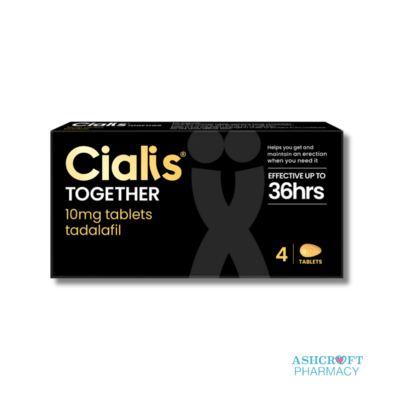
Cialis Together 10mg Tablets
Sildenafil Tablets (25mg, 50mg,100mg)
Receive Tomorrow if you place order in next