How do migraine relief tablets work?
By Mr Suhail Jamil



Migraines are a type of headache disorder that can cause moderate to severe head pain along with symptoms such as nausea, vomiting, and sensitivity to light or sound. According to NHS guidance, migraines are neurological and often follow a pattern of triggers and symptoms. Some people can manage attacks with rest, but others require medication.
One of the most commonly prescribed treatments for acute migraine in the UK is sumatriptan, a triptan medicine used to relieve symptoms during an attack.
What Causes Migraines?
Migraines are believed to involve temporary changes in:
-
Nerve activity
- Brain chemicals (such as serotonin)
- Blood vessels in the brain
These changes lead to the pain and other symptoms experienced during a migraine. Common triggers identified by the NHS include:
- Stress
- Hormonal changes
- Certain foods and drinks
- Lack of sleep
- Environmental factors (noise, light)
Migraines are not caused by an underlying disease, and diagnosis is usually based on symptoms and medical history.
Migraine Treatment Options
According to the NHS, treatment depends on the severity and frequency of attacks. Options include:
1. Over-the-counter pain relief
-
Ibuprofen
- Aspirin
These can be effective for mild attacks but may not relieve more severe symptoms.
2. Anti-sickness medicines
Used when nausea and vomiting accompany the migraine.
3. Triptans (e.g., sumatriptan)
Triptans are recommended by the NHS for migraine attacks that do not respond to simple painkillers alone.
How Does Sumatriptan Work?
Sumatriptan is part of a group of medicines called triptans, which are designed specifically for migraines.
Mechanism of Action
NHS guidance explains that triptans work by:
- Narrowing blood vessels in the brain, which may widen temporarily during a migraine
- Reducing pain signals sent to the brain
- Blocking the release of chemicals that contribute to migraine symptoms
This combination helps stop an ongoing migraine attack and reduces symptoms such as:
- Throbbing head pain
- Nausea
- Sensitivity to light or sound
How quickly does it work?
- Tablets usually start working within 30–60 minutes.
- Best results occur when taken at the first sign of a migraine.
How to Take Sumatriptan (UK Guidelines)
In the UK, sumatriptan is available on prescription and, in some cases, through pharmacies under specific criteria.
NHS guidance recommends:
- Adults aged 18 to 65 may be prescribed 50 mg or 100 mg tablets.
- The usual starting dose is 50 mg.
- Only one dose should be taken for a single attack.
- A second dose in 24 hours may be allowed only if the migraine returns and if advised by a healthcare professional.
- Tablets should be swallowed whole with water.
Do not exceed the maximum recommended dose.
Always follow the instructions provided by your GP or pharmacist.
Who Should NOT Take Sumatriptan? (According to NHS)
Sumatriptan is not suitable for everyone.
NHS guidelines advise avoiding it if you have:
- Heart disease or previous heart attack
- Stroke or mini-stroke (TIA)
- Uncontrolled high blood pressure
- Angina
- Peripheral vascular disease
- Severe liver disease
- Certain types of migraine (e.g., hemiplegic migraine)
- Allergies to triptan medicines
It may interact with:
- MAO inhibitors
- Some antidepressants (risk of serotonin syndrome)
Always consult a doctor or pharmacist before taking sumatriptan.
What Are the Side Effects?
Common side effects include:
- Tingling or heat sensations
- Flushing
- Dizziness
- Tiredness
Pressure or tightness in the chest, throat, or jaw (usually mild and temporary)
Seek urgent medical advice if:
- Chest pain is severe
- Symptoms are unusual or last longer than a few hours
- You experience shortness of breath

Sumatriptan | Migraine Relief Tablets
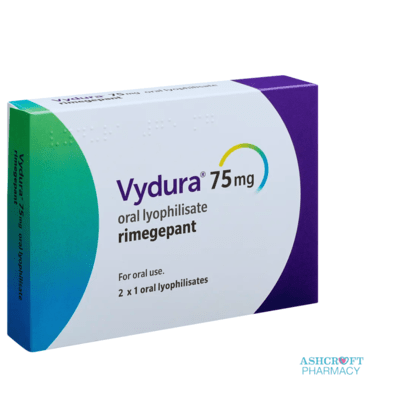
Vydura (rimegepant) 75mg Tablets

Receive Tomorrow if you place order in next
Frequently Asked Questions (NHS-Compliant)
Can anyone buy sumatriptan?
Some forms may be supplied by UK pharmacies following a consultation, but not everyone will be eligible. Others require a prescription.
Is sumatriptan addictive?
No — it is not habit-forming, but overuse of any migraine medication may cause medication-overuse headaches.
Which triptan is best?
There is no single best option. Sumatriptan is widely prescribed, but NHS clinicians may choose alternatives depending on:
- How fast symptoms begin
- How long attacks last
- Medical history
Can children take triptans?
Some triptans (e.g., zolmitriptan nasal spray) may be prescribed from age 12, but prescribing sumatriptan tablets for children can only be done under a specialist consultant.
Bottom Line
Migraines are a neurological condition that can significantly affect daily life. According to NHS guidance, triptans — including sumatriptan — can help stop an active migraine attack by reversing some of the changes in the brain that cause symptoms.
While sumatriptan is effective for many people, it isn’t suitable for everyone, and it’s important to use it safely under UK medical guidelines. Always obtain migraine medication from a registered UK pharmacy or healthcare professional.
References:
https://www.nhs.uk/conditions/migraine/
https://migrainetrust.org/understand-migraine/types-of-migraine/medication-overuse-headache/

Imigran Nasal Spray
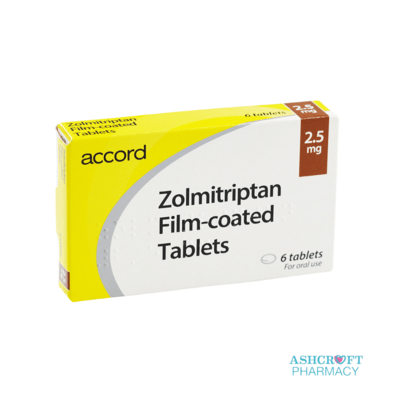
Zolmitriptan Tablets
Receive Tomorrow if you place order in next