
Asthma and Pregnancy - What You Need to Know - Ashcroft Pharmacy
By Mr Suhail Jamil



One of the common chronic conditions that can cause serious complications during pregnancy is asthma. The management of asthma in expecting women is important for both the mother's and the baby’s health. It mostly affects women of childbearing age, so proper care is important for a healthy pregnancy and birth.
Understanding how asthma affects pregnancy will help reduce the chances of premature delivery or low birth weight. The mother should avoid triggers and maintain prescribed treatment plans and regular asthma check-ups for the safety of herself and her baby. Through this blog, you will be able to find out how asthma affects pregnancy, its symptoms, treatment, and how to prevent it. Let’s jump into it!
Understanding Asthma During Pregnancy
Asthma is a long-term disease that causes inflammation and narrowing of airways, resulting in symptoms like shortness of breath, wheezing, coughing, and chest tightness. Hormonal and physical changes that occur during pregnancy can influence asthma symptoms; therefore, it is essential to keep an eye on the condition and to manage it properly.
Asthma affects about 4–8% of pregnancies worldwide, and its severity can vary; some women may experience worsened symptoms while others experience an improvement. Control of asthma during pregnancy is important to lower the risk of complications for both the mother and the developing baby.
What You Need to Know: Asthma’s Impact on Your Body
If asthma is not properly controlled during pregnancy, it can pose risks to your baby, such as preterm birth, low birth weight, and restricted oxygen supply, affecting overall development. However, the good news is that with proper management, all of these risks can be reduced. Most women with well-controlled asthma will go on to have healthy pregnancies and babies.
During your pregnancy journey, sticking to prescribed medications, avoiding the known triggers, and regular monitoring ensures the safety of you and your baby.
Good or Bad Ways: How Asthma Affects Pregnancy
Generally, the impact of asthma on pregnancy is referred to as 'the one-third rule', meaning that in about one-third of pregnant women, their asthma will worsen, in another one-third the symptoms will improve, and in the remaining one-third there is no change. This difference is mainly due to hormonal changes, which may include an increased level of progesterone and estrogen.
In some women, progesterone eases breathing by relaxing airway muscles and alleviating asthma symptoms. But for some, hormonal changes can exacerbate inflammation or make the body even more susceptible to the allergens, making the condition worse. Sometimes, as the baby grows, the womb gets bigger and pushes up on the lungs. This can cause symptoms of breathlessness.
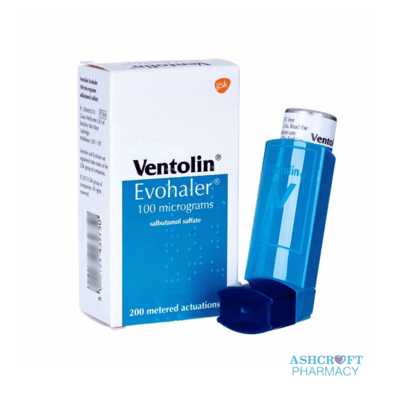
Ventolin (salbutamol) | Asthma Inhaler
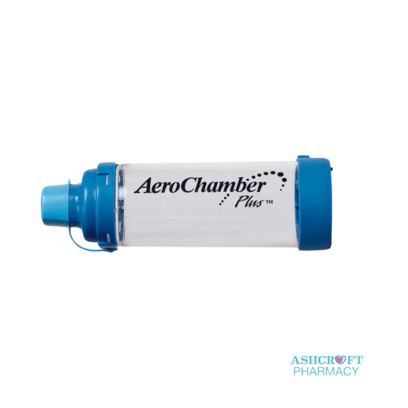
Aerochamber Plus Spacer

Receive Tomorrow if you place order in next
Spotting Asthma Symptoms When Pregnant
The most common asthma symptoms during pregnancy are:
- Wheezing
- Persistent cough (particularly at night or early morning)
- Chest tightness
- Shortness of breath
Although breathlessness is a part of normal pregnancy due to the growing uterus putting pressure on the lungs and hormonal changes, asthma-related breathlessness is more sudden, persistent, and may even worsen with activity or when exposed to triggers. Unlike usual pregnancy breathlessness, asthma symptoms may involve wheezing or a feeling of chest constriction, indicating the need for medical attention and possible treatment adjustments.
Why Asthma Flares Up In Pregnancy
During pregnancy, asthma can flare up due to a combination of emotional stress, hormonal changes, increased physical stress, and immune system changes. The increased level of progesterone can also influence the respiratory system and disrupt how your body responds to inflammation, making asthma symptoms worse. At the same time, the immune system adjusts to support the growing fetus, leading to more sensitivity to various allergens or respiratory irritants. Stress during pregnancy can also intensify asthma attacks or trigger asthma symptoms. Also, certain environmental factors such as pollen, pollution, or strong odor may exacerbate breathing difficulties during this time.
Complications: When Asthma Meets Pregnancy
A poorly controlled asthma during pregnancy can lead to more serious complications like preeclampsia and gestational diabetes, increasing the risk to mother and baby. Frequent or severe asthma attacks can cause reduced oxygen levels, affecting fetal development and enhancing the risk of preterm birth. These risks can be reduced with proper medical care and management. Most women with asthma have normal pregnancies and deliveries, and they do not have labor complications if they keep their asthma under control by taking the prescription medications and regularly undergoing prenatal monitoring.
Diagnosing Asthma While Pregnant
During pregnancy, the diagnosis of asthma requires thorough assessment to ensure both the mother's and the unborn baby's well-being. Lung function tests, such as spirometry, evaluate your lung functioning and are safe to perform during pregnancy. These tests also figure out the severity of asthma and recommend appropriate treatment according to your condition. Moreover, doctors also track symptoms such as wheezing, coughing, shortness of breath, and chest tightness to identify asthma flare-ups. Regular medical checks enable healthcare providers to distinguish asthma from other pregnancy-related respiratory conditions, allowing them to customize treatment plans to ensure optimal breathing without compromising the baby’s safety.
Safe and Effective Asthma Treatment in Pregnancy
The effective asthma treatment in pregnancy includes the following aspects:
How Can I Treat My Asthma During Pregnancy?
During pregnancy, doctors recommend treatment that focuses on maintaining good asthma control and also ensuring a healthy pregnancy. In particular, inhaled corticosteroids and bronchodilators are asthma medications that are considered safe and should not be stopped without medical advice. Continued use of prescribed medications is necessary to prevent asthma attacks, which could endanger the baby more than the medicines do. Also, you must avoid known triggers (such as allergens or smoke) and monitor symptoms regularly.
Develop a Treatment Plan with Your Provider
Working closely with a healthcare provider lets them adjust your treatment as needed, ensuring pregnancy and asthma are well-managed. This plan should include appropriate medications, monitoring of symptoms, and avoidance of the triggers. Regular check-ins are necessary to make sure that your asthma remains well-controlled. The tailored and well-managed treatment plan is the key to a healthy pregnancy, reducing risks for mother and baby.
Monitor Your Condition
Have an asthma review with your GP or nurse as early as possible in your pregnancy.
Stop smoking. Smoking while pregnant can cause the baby to develop breathing problems, including asthma. It also increases the risk of miscarriage and premature labour. This is the same for breathing in second-hand smoke.
Share your asthma action plan with your midwife.
Preventing Flare-Ups: Proactive Tips
To avoid asthma flare-ups:
- Monitor your lung function regularly with a peak flow meter and detect early signs of worsening asthma
- Avoid known triggers such as smoke, dust, strong odor, or pet dander
- Maintain regular asthma and prenatal check-ups
- Stay up to date on vaccinations such as COVID-19 and the flu
- Adhere to your prescribed asthma action plan and take medications consistently
Frequently Asked Questions
Do I have to stop asthma medications during pregnancy?
You should not stop asthma medications during pregnancy. Most asthma treatments, such as inhalers, are safe for managing your symptoms. Stopping them will increase the risk of complications for you and your baby.
How can I make asthma less harmful for my baby?
If you want to make asthma less harmful for your baby, keep your asthma well-controlled by avoiding known triggers and taking prescribed medications. Regular monitoring and prenatal care will help your baby get enough oxygen and reduce the risk of adverse effects.
Is it safe to use my inhaler during pregnancy?
You can use your inhaler during pregnancy as it is safe to use. Inhaled asthma medications, such as preventers and relievers, are considered low-risk and important for keeping your asthma well-controlled. Always follow your doctor’s advice and do not stop using your inhaler without your doctor’s consent.
Can asthma attacks happen during labor?
Asthma attacks can occur during labor; however, they are uncommon and only occur if asthma is not managed properly during pregnancy. With managed asthma, you can go through labor without complications.
Can my baby get asthma?
If you have asthma during pregnancy, your baby may have a higher risk of developing asthma due to environmental and genetic factors. However, proper asthma control during pregnancy can reduce this risk.
Is breastfeeding safe?
Breastfeeding is safe for mothers with asthma. Most asthma medications, such as inhalers, are safe to use during breastfeeding and do not harm the baby. Consult your doctor for personalized advice.
Can I stop my baby from getting asthma?
You cannot completely prevent your baby from getting asthma, but by managing your asthma well during pregnancy, you can reduce this risk. Staying healthy, minimizing allergen exposure, and avoiding smoking also protect your baby’s developing lungs.
Discuss with your doctors to figure out your risks and make safe changes before your baby is born.
Sourses:
Ventolin (salbutamol) | Asthma Inhaler
Aerochamber Plus Spacer
Receive Tomorrow if you place order in next