
IBS Treatment Treatments
IBS, short for Irritable Bowel Syndrome, is one of the most common digestive system disorders, affects up to one-third of people in the UK, causing symptoms such as stomach cramps, bloating, diarrhea or changes in bowel habits (more/less frequent). These discomforts arise from miscommunication between the gut and brain, leading to varied levels of severity and impacting daily life. While the root cause of IBS remains unknown and there is no cure, but the good news is that, at Ashcroft Pharmacy, you can access prescription-strength treatments for IBS like Mebeverine, Colofac, Colpermin, and Alverine. Simply complete an online assessment form, and our pharmacist will review it. If suitable, medication will be prescribed, dispensed, and delivered to your address.
Start Assessment Re-order medication
IBS Treatment Key Information
What is IBS?
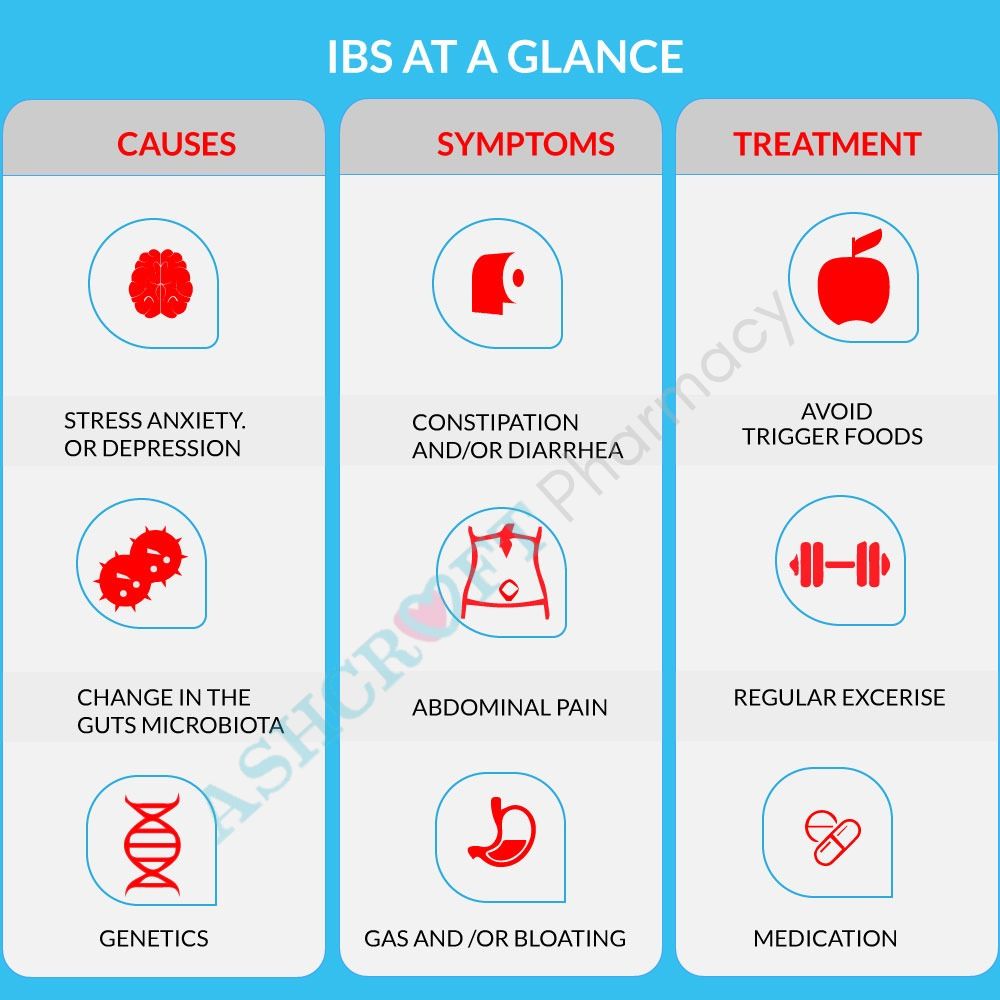
IBS, also known as irritable bowel, spastic colon, mucous colitis, or spastic colitis, can show-up with symptoms like abdominal pain, diarrhea, or constipation.
It's a chronic condition affecting the digestive system, twice as common in women compared to men. It's important to note that IBS is different from inflammatory bowel disease (IBD) as it doesn't cause inflammation.
Around 10% to 20% of people in the UK and 10% to 15% in the US live with IBS. It usually starts in young people, but anyone can get it. It's less common for IBS to begin after age 50.
These symptoms can come and go, lasting for days, weeks, or even months.
Can I test myself for IBS?
No, there is no home test to definitively diagnose IBS. You can't diagnose IBS on your own. However, keeping a detailed record of your symptoms can help your doctor. Include information like:
- What you ate before symptoms started
- How often symptoms occur
- How long you've been having symptoms
- What makes your symptoms worse or better
- This information can be very useful for your doctor in diagnosing IBS.
Are there any clinical tests for IBS?
There is no specific clinical test to diagnose IBS directly, but tests can help rule out other conditions. Your GP may arrange:
- A blood test to check for issues like celiac disease (an autoimmune disorder where ingestion of gluten leads to damage in the small intestine)
- Tests on a stool sample to check for infections and inflammatory bowel disease (IBD)
Further tests in a hospital are usually not needed unless your GP is unsure about the diagnosis. Keeping a detailed record of your symptoms can also help your doctor in diagnosing IBS. You can find more information about
Diagnosing Irritable Bowel Syndrome here.
The exact cause of IBS is unclear, but several factors may contribute:
- Digestive Muscle Issues: Abnormal muscle contractions in the gut can cause diarrhea or constipation.
- Gut Sensitivity: Some people with IBS have heightened sensitivity to normal digestive processes.
- Gut Infections or Inflammation: Past gut infections or inflammation may trigger IBS.
- Diet: Certain foods like fatty foods, dairy, or caffeine can worsen symptoms.
- Stress: Emotional stress and anxiety can make IBS symptoms worse.
- Gut Bacteria Imbalance: An imbalance in gut bacteria may play a role.
- These factors can vary from person to person.
What are the available treatment options for IBS in the UK?
In the UK, various medications are available to treat IBS symptoms. These medications work in different ways to provide relief. Doctors may recommend combining these medications to personalize treatment for each patient.
Treatment for IBS varies based on symptoms and severity, and can include medications, dietary changes, and lifestyle adjustments.
Healthy diet
Food can have a significant impact on conditions like IBS (Irritable Bowel Syndrome) due to its influence on gastrointestinal function and symptom severity.
To manage IBS symptoms, follow a healthy diet outlined in the NHS Eatwell guide. Adjust as needed based on food triggers.
Here are some eating instructions to minimize IBS symptoms include:
- Eat slowly, maintain regular meal times,
- Drink at least 8 cups of water a day, avoid late-night eating, limit fizzy drinks, alcohol, tea, and coffee
- Try to keep a food diary (helps track what you eat and your symptoms).
Consider a low FODMAP diet, consulting a dietitian for guidance. You can check the NHS video and IBS Network website for more info on IBS and diet.
Written and reviewed by our qualified team — Mr Suhail Jamil, Superintendent Pharmacist (GPhC 2069518).