New 7.2mg Wegovy Dose: Faster Weight Loss or Higher Risk?
By Mr Suhail Jamil


Key takeaways
- Wegovy is a drug used to treat obesity, manufactured by medicine maker Novo Nordisk. A new higher dose of 7.2mg has recently been discovered to achieve even greater weight loss results than the standard dose.
- In a recent trial carried out jointly by University of Toronto and scientists at Novo Nordisk, nearly half of those receiving the Wegovy higher dose lost 20% or more of their body weight. (Wharton et al 2025).
- Taking the Wegovy higher dose makes it more likely that you will get skin side effects, however these are considered within an acceptable risk/benefit ratio ie the risk of getting them is outweighed by the superior ability to lose weight.
- If you’re already tolerating Wegovy quite well, it’s likely that you will tolerate a higher dose if the step up is handled carefully.
- Approval for sale of the new Wegovy higher dose in the UK is expected early 2026.
Do you lose more weight on the higher dose of Wegovy?
Currently, Wegovy is available in five different strengths from 0.25mg to 2.4mg. Normally you start from the lowest dose and gradually increase the dose over time to allow your body to adjust to the medication.
If you’re taking Wegovy now, you may have successfully lost around 10-15% of your body weight on the standard 2.4mg dose.
Some people don’t always respond to Wegovy to this extent. If you’ve plateaued and are keen to jump start your weight loss again, you may have heard about the new higher dose of Wegovy – 7.2mg. It has received some encouraging results in studies showing even greater weight loss is possible.
Exciting weight loss results from first clinical trials on higher Wegovy dose
Academics at the University of Toronto joined forces with scientists at Novo Nordisk to see if upping the dose of Wegovy could trigger greater weight loss in the STEP‑UP Phase 3b trial. (Wharton et al 2025)
Some people in the trial were given the standard 2.4mg weekly injection of semaglutide – the active ingredient contained in Wegovy - some got the higher dose of 7.2 mg, and some got what’s called a placebo injection which is essentially a non-medicine to test against and see if the trial medicine actually works.
Those people taking semaglutide were gradually ramped up to their dose over the course of several weeks. This slow step-up helps minimise common side effects like nausea, bloating or stomach discomfort, which makes it more likely that you will tolerate the treatment and be able to progress steadily.
Everyone in the trial was also advised to eat 500 fewer calories a day and do 150 minutes of exercise a week.
A year later, people receiving the standard dose lost 16% of their body weight, on average, while the high dose group lost about 19%.
Nearly half of those receiving the higher Wegovy dose lost 20% or more of their body weight. (as did a third in the standard dose group). (Wharton et al 2025)
People on the higher dose also saw a bigger drop in waist size of 11.7 cm on average, compared with 8.6 cm on the standard dose. A reduced waist size means there’s less fat pressing against the liver and heart, which helps them to work better. (Wharton et al 2025)
More than a fifth of those in the higher dose group experienced unpleasant and painful skin sensations called dysesthesia.
The trial concluded that Semaglutide 7·2 mg was superior to placebo and 2·4 mg for bodyweight reduction in adults with obesity, while retaining a favourable risk–benefit profile. (Wharton et al 2025)
The benefits of taking a higher dose may outweigh the risks for some people. It’s a decision you need to make in conjunction with your healthcare professional; doctor or pharmacist.
Do higher doses of Wegovy work better?
The result of this trial do suggest higher doses of Wegovy can work better if you are able to tolerate the side effects.
Trial results in summary
- Average weight loss with 2.4mg = 17.5%
- Average weight loss with 7.2mg = 20.7%
- 33.2% of people on 7.2mg lost ≥25% of their body weight
These results mean Wegovy higher dose 7.2mg achieves almost the same weight loss as the highest strength of Mounjaro (tirzepatide). This kind of weight-loss is normally only achieved with bariatric surgery, which involves physically making the stomach smaller. (Lager et al 2017)
Previous studies have shown people who get a standard weekly injection of Wegovy, typically lose about 15% of their body weight over a year when combined with exercise and eating healthily.
Higher dose available early 2026
Novo Nordisk submitted the new Wegovy higher dose for approval by the European Medicines Agency (EMA) in July 2025. EU approval is expected in early 2026.
It won’t be available in the UK to buy until after this and will initially be available privately before it goes into the NHS.
Can I take the 7.2mg Wegovy dose safely?
Lower strengths of Wegovy are already approved by the UK’s Medicine and Healthcare products Regulatory Agency (MHRA) and NICE and have been prescribed in the NHS for some time. These governing bodies have stringent standards for medicines to reach, so you can feel reassured that the benefits of the medicine have been judged to outweigh the risk.
The safety of the 7.2mg dose is considered similar to lower doses of Wegovy. The results from the STEP-UP trial show that the most common side effects are digestion-related including nausea and vomiting. These side effects are usually mild to moderate, and different people react differently. You may want to discuss the best way of taking the medicine to reduce the possibility of side effects with your healthcare provider.
Who might be offered the 7.2mg dose?
People who are good candidates for the new Wegovy higher dose include those who are already taking the 2.4mg dose and tolerating any side effects well. Particularly people who are tolerating the 2.4mg dose well, but who have reached a plateau in their weight loss and might benefit from jump starting further weight loss. In addition, people who are begin closely monitored by a healthcare professional are more likely to be offered the higher dose, for safety reasons.
Resources
Once-weekly semaglutide 7·2 mg in adults with obesity (STEP UP): a randomised, controlled, phase 3b trial. Wharton, Sean et al. The Lancet Diabetes & Endocrinology, Volume 13, Issue 11, 949 – 963.
Lager CJ, Esfandiari NH, Subauste AR, Kraftson AT, Brown MB, Cassidy RB, et al. Milestone weight loss goals (weight normalization and remission of obesity) after gastric bypass surgery: Long-term results from the University of Michigan. Obesity surgery. 2017;27(7): 1659–1666.
www.gov.uk/government/organisations/medicines-and-healthcare-products-regulatory-agency
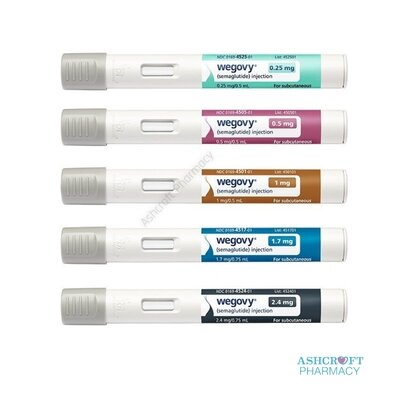
Wegovy Weight Loss Injections
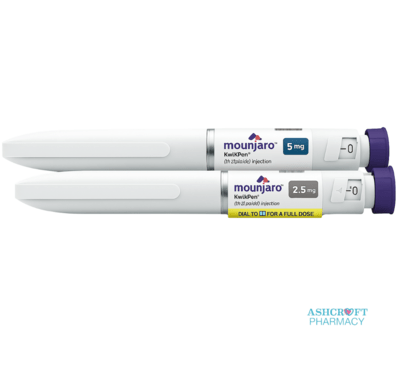
Mounjaro Weight Loss Injections

Receive Tomorrow if you place order in next