
Omeprazole- Everything You Need To Know
By Mr Suhail Jamil



Have you ever felt the pain of acid reflux, heartburn, or stomach ulcers? If so, you might be familiar with Omeprazole—a widely available medicine in the UK used to treat these issues. Acid is normally produced in your stomach to help digest your food and kill bacteria. Omeprazole is a proton pump inhibitor (PPI) that works by lowering stomach acid production, providing relief for people with digestive problems. But how does it work, and is it right for you? This guide will cover everything you need to know about Omeprazole, including its common uses, dosage instructions, possible side effects, and precautions. Whether you are new to this medicine or just want to learn more, this article aims to help you make informed choices about your health.
This guide will cover everything you need to know about Omeprazole, including:
✅What Omeprazole is and how it works
✅Common uses and conditions it treats
✅How to take Omeprazole (dosage and tips)
✅Possible side effects and long-term risks
✅Warnings, precautions, and drug interactions
✅Special cases (pregnancy, breastfeeding, etc.)
✅FAQs about Omeprazole
What is Omeprazole?
Omeprazole is a commonly used medication that falls into a category of drugs called proton pump inhibitors (PPIs). These drugs treat conditions caused by excess stomach acid. Doctors often prescribe it to treat conditions like acid reflux, heartburn, and stomach ulcers. It helps ease associated symptoms such as heartburn and indigestion. Omeprazole is available both via prescription and over-the-counter (OTC) in the UK.
What is Omeprazole Used For?
Omeprazole helps with a variety of stomach and digestive problems by stopping the cells in the lining of the stomach from producing too much acid. Here are some of its main uses:
Treat Acid-Related Problems
Omeprazole treats:
- Gastro-oesophageal reflux disease (GORD): Characterised by symptoms like burning sensations, acid reflux, or heartburn after eating.
- Zollinger-Ellison syndrome: A rare condition where the stomach produces excessive acid, causing severe ulcers and pain.
- Peptic ulcers (including gastric and duodenal ulcers): These occur when the natural mucous barrier protecting the stomach lining breaks down, allowing acid to damage the area and cause ulcers and inflammation. Omeprazole helps these ulcers heal.
- Helicobacter pylori (H. pylori) infection: Doctors often prescribe Omeprazole alongside antibiotics to treat this bacterial infection, which can lead to ulcers.
- Acid indigestion and heartburn relief: Omeprazole can offer short-term relief from persistent acid-related discomfort when other treatments haven't worked effectively.
Used with other Medications
Omeprazole often works with other drugs to make treatments more effective. For treating Helicobacter pylori (H. pylori) infections, doctors often combine Omeprazole with antibiotics (such as Amoxicillin and Clarithromycin). This combination helps kill the bacteria and prevent ulcers from recurring.
People taking nonsteroidal anti-inflammatory drugs (NSAIDs) long-term (e.g., Ibuprofen or Aspirin) may also use Omeprazole. This helps protect their stomach lining from potential damage caused by NSAIDs. Sometimes, doctors prescribe it alongside other acid-reducing medications for conditions like Zollinger-Ellison syndrome, which require stronger acid control. Always follow your doctor's guidance when taking Omeprazole with other drugs to ensure effectiveness and safety.

Omeprazole

Lansoprazole Capsules

Receive Tomorrow if you place order in next
How to Take Omeprazole?
Always take Omeprazole exactly as your doctor or pharmacist tells you. The treatment and dose depend on your condition and symptoms.
Dosage for Adults
Omeprazole is available as capsules or tablets (10mg, 20mg, 40mg). It can also be prescribed as a liquid suspension (2mg/ml or 4mg/ml) for people who have difficulty swallowing tablets. The dosage of Omeprazole for adults depends on the condition being treated. The typical adult doses are:
- For heartburn and acid reflux: 10mg to 40mg a day.
- For indigestion: 10mg to 20mg a day.
- For Zollinger-Ellison syndrome: 60mg daily (doses are usually 20-120mg a day).
- For stomach ulcers: 20mg to 40mg a day. Consult your doctor if your symptoms worsen, do not improve after 14 days, or return sooner than 4 months after finishing treatment.
- Sources
Important Administration Recommendations
- Before taking it, read the patient leaflet carefully.
- Stick to prescription guidelines and do not take less or more than the prescribed dose.
- Take Omeprazole capsules on an empty stomach, preferably in the morning, 30-60 minutes before your meal.
- Swallow the capsule or tablet as a whole. Do not open the capsule. Do not crush, break, or chew the capsule or tablet.
- Take Omeprazole powder for oral suspension on an empty stomach at least 1 hour before a meal. Dissolve the Omeprazole powder in a small amount of water according to the instructions. If you receive continuous feeding through a tube, stop the feed about 3 hours before and 1 hour after administering the Omeprazole powder suspension.
- Take it at around the same time every day.
- While taking this medicine, avoid alcohol, caffeine, and spicy foods.
- If you still have concerns, consult your doctor for personalised advice.
If you still have concerns, consult your doctor for personalized advice.
Omeprazole Side effects
Always check the side effects of omeprazole from the patient leaflet. You may encounter different types of side effects when taking Omeprazole. These can be categorised as common, serious, or long-term side effects.
Common side effects.
Common side effects affect 1 in 100 people. The common side effects are:
- Gastrointestinal symptoms such as nausea, diarrhoea, bloating, vomiting, constipation, stomach pain
- Headaches
- Gas
- Fatigue
- Dizziness
- Dry mouth or taste changes These side effects are mild and temporary and do not require medical attention. If they persist or get worse, seek medical help.
These side effects are mild and temporary and do not require medical attention. If they persist or get worse, seek medical help.
Serious side effects
Serious side effects require medical attention. Consult your doctor if you experience any. Serious side effects (affecting up to 1 in 1,000) people include:
- Severe stomach pain or persistent diarrhoea, indicating Clostridium difficile infection
- Hypomagnesemia (low magnesium level): Symptoms are irregular heartbeat, seizures, muscle cramps
- Allergic reactions: Signs are swelling, rash, itching, difficulty breathing
- New or worsening symptoms of lupus, such as joint pain
- A skin rash on your cheeks or arms that worsens in sunlight If you get any of these side effects, seek emergency help immediately.
Long-term side effects
Taking Omeprazole for more than 3 months can lower the magnesium levels in your blood. Possible long-term effects of taking Omeprazole include:
- Osteoporosis risk, indicating weakened bones and increasing the risk of fractures
- Kidney problems
- High risk of infection
- Vitamin B12 deficiency
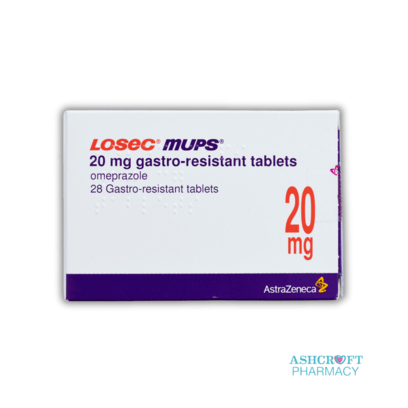
Losec MUPS
Lansoprazole Capsules
Receive Tomorrow if you place order in next
Warnings and Precautions
Before taking Omeprazole, consider the following aspects:
Who Should Avoid Omeprazole?
You should not take this medicine if you have:
- Allergic reaction to PPIs (proton pump inhibitors)
- Persistent or severe diarrhoea
- History of Hypomagnesemia
- Osteoporosis
- History of seizures
- History of systemic lupus erythematosus (SLE)
- Liver disease
- Bloody or black stools
- Low bone mineral density (osteopenia)
- Low level of calcium or potassium in your blood
- Vitamin B12 deficiency
- Breathing problems
- Kidney problems
Additionally, inform your doctor about any other medical conditions you have before taking Omeprazole to avoid potential adverse effects.
Drug Interactions
Omeprazole can interact with certain medications, supplements, and herbal products, potentially leading to reduced effectiveness or serious complications. Some notable interactions include:
- Clopidogrel
- Digoxin
- St. John's wort
- Methotrexate
- Certain antibiotics (e.g., rifampin)
- Iron supplements
- HIV medication that contains rilpivirine
- Certain antifungals such as ketoconazole This is not an exhaustive list. Always provide your doctor with a complete list of all medications, supplements, and herbal products you are taking before starting Omeprazole to avoid potential interactions.
Special Cases: Pregnancy and Breastfeeding
Omeprazole is often regarded as relatively safe during pregnancy (historically classified similarly to US Pregnancy Category B), as research has not shown clear evidence of harm to developing babies. However, it should only be taken during pregnancy if clearly needed and prescribed by your doctor.
For pregnant women experiencing heartburn or ulcers, doctors typically first recommend lifestyle changes or safer alternatives like antacids. Small amounts of Omeprazole may pass into breast milk, but it is generally considered unlikely to harm a nursing infant. If treatment is necessary while breastfeeding, your doctor may advise short-term use or suggest alternative medications.
Always consult your doctor before starting or stopping Omeprazole, especially during pregnancy or while breastfeeding.
Helpfull Resources for Omeprazole Information
- Healthcare Professionals (SmPC)
- Healthcare Professionals (SmPC) Patient Leaflet (PIL)
- Omeprazole | Drugs | BNF | NICE
- NHS UK – Omeprazole
- PubMed – Omeprazole Research Articles
- Acid Reflux in Pregnancy (Heartburn): Primary Cause of Indigestion
- Omeprazole (Losec, Mepradec, Mezzopram) | Medicine
- Esomeprazole to reduce stomach acid - Emozul, Nexium
Frequently Asked Questions
What do I need to know before taking Omeprazole?
Before starting Omeprazole, ensure you aren't allergic to PPIs. Inform your doctor about any kidney disease, liver problems, or vitamin B12 deficiency. Be aware of potential interactions with drugs like Clopidogrel or Methotrexate. Consult your doctor first if you are pregnant or breastfeeding. Long-term use can potentially cause side effects like low magnesium or bone weakening, so follow medical advice regarding duration.
Can I drink coffee while taking Omeprazole?
Yes, you can generally drink coffee while taking Omeprazole. However, it's wise to limit caffeine intake, as coffee can worsen acid reflux for some people and potentially reduce the medication's effectiveness. If you find coffee triggers your heartburn, consider switching to low-acid coffee, other low-acid drinks, or herbal teas to avoid stomach irritation.
Can I take Omeprazole on an empty stomach?
Yes, Omeprazole should ideally be taken on an empty stomach, typically 30 to 60 minutes before breakfast, for best results. Taking it before meals allows it to effectively reduce acid production before food stimulates your stomach. Avoid eating immediately after taking it to ensure proper absorption.
Can Omeprazole affect my contraception?
No, Omeprazole is not known to directly affect hormonal contraceptives like the pill, patch, or IUD. However, if Omeprazole causes severe diarrhoea or vomiting, this could potentially reduce the effectiveness of oral contraceptives. In such cases, use additional barrier contraception (like condoms) and consult your doctor if needed. [source]
What happens if you miss a dose?
If you forget to take Omeprazole, take the missed dose as soon as you remember. However, if it's nearly time for your next dose (e.g., within 12 hours), skip the missed dose. Take your next dose at the regular time. Do not take extra doses to catch up. Skipping one dose isn't likely to cause major issues, but consistent use provides the best results.
Can I drive or ride a bike after taking Omeprazole?
Yes, you can usually drive or ride a bike after taking Omeprazole. This medication does not typically impair alertness or coordination. However, if you experience side effects like dizziness, drowsiness, or blurred vision, avoid driving or operating machinery until you feel better. Pay attention to how your body responds.
Can Omeprazole cause weight gain?
Omeprazole is not directly linked to weight gain. However, some individuals might experience side effects like bloating or fluid retention. Occasionally, improved digestion and appetite resulting from acid reflux relief might lead to slight weight changes. Sticking to a balanced diet can help you manage any weight fluctuations.
Can I take Omeprazole every day?
Yes, Omeprazole can be taken every day for conditions like GORD, ulcers, or heartburn, but always follow your prescriber's instructions. Long-term use can potentially lead to side effects like low magnesium or weakened bones, so adhere strictly to your doctor’s instructions regarding dosage and duration of treatment.