
How do you manage a migraine?
By Mr Suhail Jamil



One moment you’re powering through your day—juggling meetings, errands, and maybe a quick coffee break—and then suddenly, a sharp, pulsating pain crashes through your head like a wave. The lights seem blinding, every sound feels amplified, and even the smallest movement becomes unbearable.
If you’ve ever had a migraine, you know it’s far more than just a headache—it can completely shut your body down. Migraines are a complex neurological condition that affects millions of people worldwide.
They often cause intense, throbbing head pain, nausea, and extreme sensitivity to light, sound, and even vision disturbances. In this blog, we’ll explore effective ways to manage migraines so you can regain control of your days, your plans, and your peace of mind.
Understanding Migraines
An intense throbbing headache on one side of the head is known as a migraine. Most of the time, these episodes are accompanied by other symptoms like nausea, vomiting, hypersensitivity to light, sound and smell. Some people get visual disturbances known as auras before the pain starts. The exact cause of migraine is not fully understood, but its common triggers are stress, hormonal changes (particularly in women), certain foods (such as chocolate or cheese), lack of sleep, and changes in the weather. Knowing these triggers will help you control and even reduce the number of migraine attacks.
Fastest Ways to Stop a Migraine Attack
The fastest ways to stop a migraine attack are:
- Take over-the-counter painkillers such as paracetamol or ibuprofen, or prescription medications such as triptans
- Create a peaceful environment around yourself for relief
- Stay well-hydrated
- Apply a cold compress to your neck or forehead
- Rest in a dark, quiet room
- Practice slow, deep breathing
- Consult your doctor if symptoms do not improve or persist
Simple Steps to Stop Pain Early
Recognising a migraine early can help stop it before it fully sets in. Recognising the warning signs is crucial for early intervention. These may include mood changes, exhaustion, food cravings, difficulty concentrating, and neck stiffness. Once you figure out that a migraine is coming on, take action and start self-treatment immediately.
Some actions may include drinking plenty of water with electrolytes to stay well-hydrated, as dehydration tends to worsen symptoms. If suggested by your doctor, take migraine medication quickly as early treatment tends to be more effective. Also, avoid any known triggers, dim the lights, and find a calm, quiet space to rest, helping you stop the migraine or manage it easily.
How to Prevent Migraine Headaches
Preventive strategies for migraines are:
Daily Habits to Alleviate Risk
- Avoid common triggers such as aged cheese, processed meats, red wine, and anything containing artificial sweeteners.
- Keep a food diary to identify personal triggers.
- Incorporating certain foods, such as magnesium-rich foods like leafy greens, nuts, seeds, and whole grains, may aid in reducing the frequency of migraines.
- Maintain good hydration levels.
- Consume regular, balanced meals
- Avoid long gaps between eating
Small and gradual changes to your daily habits can significantly reduce the risk of migraines daily.
Long-term Preventive Measures
In managing migraines long term, you have to find out what triggers them and work on avoiding those triggers, including lack of sleep, stress, certain foods like caffeine, alcohol, aged cheese, hormonal changes, and weather changes. A migraine diary is one of the most effective tools to track individual patterns and identify triggers.
Besides avoiding known triggers, developing healthy lifestyle changes can aid in relieving migraines. This includes sticking to a regular sleep and eating schedule, staying hydrated, managing stress with exercise, and avoiding skipping meals. With consistency, long-term preventive measures can lead to a better quality of life and fewer migraine days. However, if you experience frequent and severe migraines, consult your doctor for personalised advice.
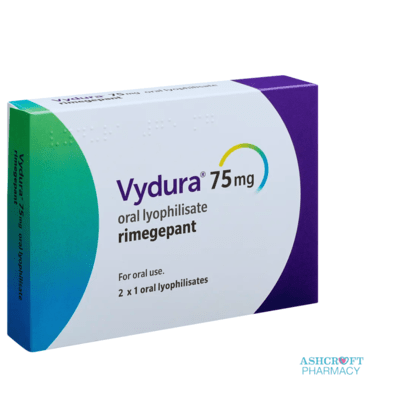
Vydura (rimegepant) 75mg Tablets

Sumatriptan | Migraine Relief Tablets

Receive Tomorrow if you place order in next
Quick and effective Relief Strategies for Migraines
Certain strategies help you relieve migraines, including:
Medications
In terms of reducing the severity of attacks and managing symptoms, medication can certainly help in relieving migraines. Over-the-counter painkillers such as Paracetamol or Ibuprofen prove to be effective when taken at the first sign of a migraine. However, for severe cases, doctors prescribe triptans such as sumatriptan, which target the chemical changes in the brain that trigger migraine.
Lifestyle Modifications
Some lifestyle modifications can greatly help with managing and reducing migraine attacks. These include:
- Maintain a consistent sleep schedule, as sleep deprivation and oversleeping are known triggers for migraines
- Exercise regularly, such as swimming, cycling, or walking, which helps release endorphins and improve circulation, lowering the severity and frequency of migraines.
- Manage stress with meditation, yoga, or mindful breathing exercises to calm the nervous system and prevent stress-induced migraines.
Natural Remedies
Natural remedies may be useful in a migraine management plan, especially for people who want to minimise medication use. The evidence suggested that taking magnesium supplements can decrease the frequency of migraines, especially if people are known to have a magnesium deficiency.
Similarly, Riboflavin (vitamin B2), when taken daily, reduces the frequency of migraine attacks. These nutrients support overall brain health and brain energy production, which might aid in stabilising the neurological processes associated with migraines. Before taking any supplement, consult your doctor to ensure it is safe for you.
Dietary Factors
Migraine prevention has much to do with dietary factors. Therefore, you should remain well hydrated because dehydration is one of the causes of migraine attacks. Aim to drink enough water throughout the day, particularly after exercise or during warm weather. Stick to a balanced diet to keep your blood sugar level stable. Migraine is triggered by highly processed foods as well as skipping meals, so follow a consistent eating routine and avoid these triggers.
When to Seek Medical Advice
Occasional migraines can be managed with lifestyle changes and over-the-counter drugs; however, you must seek medical advice if they become more intense, frequent, or impair your daily life. Your doctor can identify underlying causes and recommend personalised treatment options such as prescription drugs, other preventive therapies, or referrals to a specialist. Worsening or persistent symptoms could also indicate other health concerns, so it is crucial to get the right diagnosis and treatment for effective long-term management.
Frequently Asked Questions
How long do migraines last?
Migraines typically last from 4 to 72 hours if left untreated. Its duration depends on triggers, treatment options, and other individual factors.
Can migraines be cured?
Migraines cannot be cured completely; however, they can be managed effectively with lifestyle changes, avoiding triggers, and medications. With proper treatment, you may experience fewer attacks over time.
Is caffeine good or bad for migraines?
Caffeine has an ambiguous role with migraines, as it can both help and trigger an attack. In small amounts, it alleviates migraine pain and boosts the effectiveness of migraine medications. If consumed too much, it can trigger migraines or lead to rebound headaches.
Are migraines hereditary?
Migraines can be hereditary. If one or both of your parents have migraines, you are more likely to experience migraines due to shared genetic factors.
Helpful Resources
Your daily habits can significantly reduce the risk of migraines daily
Sumatriptan | Migraine Relief Tablets

Rizatriptan Tablets
Receive Tomorrow if you place order in next