
How to Use Omeprazole for Gastritis: A Pharmacist’s Guide
By Mr Suhail Jamil


Key Takeaways: Using Omeprazole Safely
- Best Timing: 30–60 mins before a meal.
- Primary Uses: GERD, ulcers, and gastritis.
- Lifestyle: Avoid caffeine and spicy triggers.
Stomach discomfort—whether it’s a sharp pain from gastritis or the burning sensation of acid reflux—can turn your favourite meal into a source of dread. Omeprazole is one of the most widely recommended treatments for these issues, but how exactly does it work, and are you taking it correctly?
In this guide, we break down everything you need to know about using Omeprazole effectively, from timing your doses to making lifestyle changes that stick.
While generally safe for short-term use, Omeprazole can cause:
- Headaches or stomach pain.
- Nausea, diarrhoea, or constipation.
Long-term risks: Prolonged use may lead to Vitamin B12 deficiency or an increased risk of bone fractures. Always consult a healthcare professional before starting or stopping a long-term regimen.
Omeprazole
Gastro-resistant Capsules
£1.99
- ✓ UK Registered Pharmacy
- ✓ Free Online Consultation
- ✓ Discreet Packaging
Omeprazole is a highly effective treatment for gastro-oesophageal reflux disease (GORD). By inhibiting the proton pumps in the stomach lining, it reduces excessive acid production, allowing the oesophagus time to heal and preventing the painful burning sensation associated with heartburn.
Whether you require the 10mg maintenance dose or the 20mg therapeutic dose, our UK-registered clinicians can review your consultation and dispense your medication quickly.
"Is Omeprazole good for gastritis? As a Superintendent Pharmacist, I often see patients fail treatment simply because of timing; the 'clinical secret' to healing gastritis is taking Omeprazole exactly 30–60 minutes before your first meal. This ensures the medication is in your bloodstream to 'lock' the acid pumps before they are activated by food, providing the near-zero acid environment your stomach lining needs to actually repair itself."
The Different Uses of Omeprazole
- Gastroesophageal Reflux Disease (GERD): Treats chronic heartburn by preventing acid from backing up into the oesophagus.
- Gastritis: Reduces acid to soothe an inflamed stomach lining, allowing it to recover.
- Peptic Ulcers: Creates a low-acid environment so sores in the stomach or small intestine can heal.
- H. Pylori Infections: Often paired with antibiotics (like amoxicillin) to kill bacteria and prevent ulcer recurrence.
- Zollinger-Ellison Syndrome: A rare condition where the stomach produces excessive acid.
⏱️ Timing is Everything with PPIs
For maximum effectiveness:
- Take it 30–60 minutes before your first meal. This gives the medication time to block acid production before it’s triggered by food.
- Consistency is key. If your doctor prescribes a single daily dose, take it every morning.
- Double Doses: If prescribed twice daily, take one dose before breakfast and the second 30 minutes before dinner.

Omeprazole
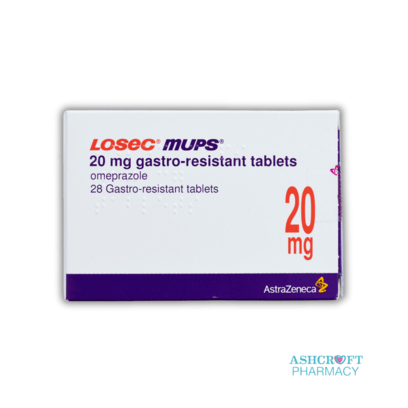
Losec MUPS

Receive Tomorrow if you place order in next
Enhancing Treatment with Lifestyle Habits
Medication works best when supported by your daily routine. To reduce your reliance on Omeprazole, consider these "Gut Health" pillars:
1. Identify Your Dietary Triggers
Keep a food diary to see if these common culprits affect you:
- Fatty & Fried Foods: These slow digestion and put pressure on the Lower Oesophageal Sphincter (LES).
Caffeine & Alcohol: Both can irritate the stomach lining. - Acidic Foods: Tomatoes and citrus can increase acidity.
- Chocolate & Peppermint: Surprisingly, these can relax the LES, allowing acid to escape upward.
2. Practical Daily Changes
- Eat Smaller Meals: Overfilling the stomach increases reflux risk.
- Sleep on an Incline: Elevating the head of your bed by 6–8 inches uses gravity to keep acid down.
- Manage Stress: Yoga or deep breathing can lower the physical impact of stress on your gut.
- Quit Smoking: Smoking weakens the valve that keeps acid in your stomach.
Bottom line
Omeprazole is a powerful treatment in the fight against acid-related pain, but it isn't a "magic pill." A holistic approach—combining strategic medication use with mindful eating and lifestyle adjustments—is the best way to achieve long-term gut health.
Disclaimer: Always consult your doctor before starting Omeprazole to ensure it won’t interact with other supplements or medications you are taking.
Omeprazole

Lansoprazole Capsules
Receive Tomorrow if you place order in next
Omeprazole
Lansoprazole Capsules
Receive Tomorrow if you place order in next
Resources
Trusted Medical Resources
- NHS: About Omeprazole — A comprehensive guide on how the proton pump inhibitor works.
- WebMD: Omeprazole Oral — Detailed breakdown of uses, interactions, and precautions.
- MedlinePlus: Omeprazole — Official drug information and side effect profiles.