
15 Effective Ways to Stop Period Pains Immediately
By Mr Suhail Jamil
Suppose you're wondering how to stop period pain immediately at home. In that case, you're not alone—millions of women look for instant relief using natural, proven remedies within the comfort of their own space. Sometimes the pain strikes while you're resting, so it's essential to know how to get rid of period cramps fast in bed using simple heat therapy and calming positions.
But there are moments when urgency hits, and you just need to know how to stop period cramps immediately—no waiting, no guessing—just fast-acting, practical solutions. Still, many of us dream bigger: we want to know how to stop period pain forever, looking for deeper, long-term answers rooted in hormone balance and lifestyle changes.
Of course, every cycle is different, and some days, it’s just about managing the discomfort. That’s why it helps to know how to get rid of period cramps fast, leaning on expert-approved remedies that bring comfort quickly. Whether it’s tea, movement, or rest, there are many ways to make period cramps go away naturally.
Nighttime cramps can be especially frustrating, so discovering how to ease period cramps at night is key to better sleep and better mornings. For those looking to gradually shift their body’s response, knowing how to decrease menstrual cramps through everyday self-care is a decisive step.
Even better? Learning how to make your period less painful with minor, clever tweaks that support your body through every phase. And finally, all of this comes together with a toolbox of tips to reduce pain during periods, helping you reclaim your comfort, peace, and power—month after month.
Ways to Stop Period Pain Fast at Home
Need quick relief from period cramps at home? Try these 15 proven remedies to stop period pain fast. From heat therapy and massage to natural oils and acupressure, these tips work instantly—even without medication.
During periods, the womb tightens and contracts to shed its lining (uterine lining) from the body via the vagina, causing pain or cramps. This is a normal part of the menstrual cycle.
Most women experience severe period pain, affecting the quality of their lives and interfering with their daily routine. Sometimes this pain radiates to the groin, lower back, stomach, or upper thighs.
"Heat therapy, hydration, light exercise, and herbal treatments like ginger or fennel are effective natural ways to ease menstrual cramps fast."
— Cleveland Clinic
Why should you prepare for menstrual cramps?
Period cramps usually start 1 day before the period and last for 1-2 days. If you have an idea about your period’s date, you can take steps to decrease the severity of the cramps.
What Is Premenstrual Syndrome (PMS)?
PMS refers to a group of symptoms a woman experiences up to two weeks before her period. Each woman is different and will experience varying symptoms. About 90% of women who menstruate suffer from PMS, and the symptoms are:
- Bloating
- Mood changes
- Feeling depressed or irritable
- Upset, anxious or emotional
- Breast tenderness
- Greasy hair
- Spotty skin
- Changes in appetite or food cravings
- Headaches
What Is Dysmenorrhea?
Dysmenorrhea refers to painful cramping during menstruation. The pain can also be experienced. Around 16-90% of women who menstruate experience this condition (primary dysmenorrhea) for 1-2 days each month, with 29% suffering from unbearable period pain.
However, certain medications and home remedies can help alleviate this pain immediately.
How to stop your period pain fast?
To stop period pain immediately at home, apply heat, take an over-the-counter pain reliever, stay hydrated, and gently stretch or massage your lower abdomen.
Here is a list of methods to help you stop period cramps immediately. How can I stop period pain ASAP? Not all methods work for everyone, so figure out the best one for you or combine different ways to get relief faster. Let’s explore!
1. Drink Plenty of Water
Before and during your periods, your stomach and other parts of your body can become swollen due to water retention (bloating). This is a common symptom, causing discomfort and severe menstrual cramps.
Drinking water helps flush out sodium and toxins.
Drinking water regularly helps reduce bloating, reduce the length of menstrual bleeding and reduce the need for pain relievers. So you must drink 2 litres of water regularly to relax your muscles, enhance blood flow throughout your body, and relieve period cramps.
2. Over-the-Counter NSAIDs
Common period pain relievers include ibuprofen, naproxen and paracetamol. In some cases, a doctor may prescribe hormonal tablets such as Norethisterone 5mg, which can help with dysmenorrhea and premenstrual syndrome.
Over-the-counter NSAIDs (Non-steroidal anti-inflammatory drugs) such as:
These painkillers are the best medicine for menstrual cramps. These drugs reduce prostaglandins, the hormone which causes contraction and menstrual cramps.
However, if you have an aspirin allergy, liver, kidney, heart, or stomach issues, asthma, bleeding disorder, or ulcers, do not take these drugs.
So, you can try other period pain relief tablets such as such as a heat patch or paracetamol.
Moreover, do not exceed the recommended dose, and if you have any doubt, take medications according to your doctor’s advice.
Here is a list of some Effective Painkillers for Period Pain Relief
1. Ibuprofen (Feminax Express)
- Reduces inflammation and prostaglandins that cause cramps.
- Best taken with food and at the first sign of cramps.
2. Naproxen
- Longer-lasting than ibuprofen.
- Great for managing moderate to severe cramps.
3. Paracetamol
- A good alternative if you can’t take NSAIDs.
- Less effective for inflammation, but eases pain.
4. Panadol Period Pain
Combines paracetamol with caffeine. Caffeine enhances the pain relieving effects of paracetamol.
5. Prescription Birth Control Pills
Mefenamic Acid (Ponstel)
Not a "painkiller," but reduces cramps long-term by thinning the uterine lining.
3. Gentle Massage
- Specifically used for menstrual pain.
- Requires a prescription in some countries.
4. Acetaminophen (Tylenol)
- A good alternative if you can’t take NSAIDs.
- Less effective for inflammation, but eases pain.
5. Midol Complete / Midol Long Lasting Relief
- – Combines acetaminophen or naproxen with caffeine and antihistamines for bloating, fatigue, and pain.
6. Prescription Birth Control Pills
- Not a "painkiller," but reduces cramps long-term by thinning the uterine lining.
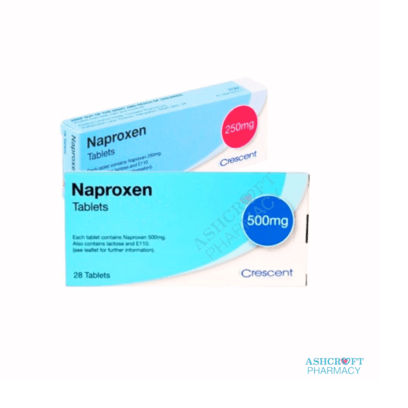
Naproxen Tablets (250mg & 500mg)
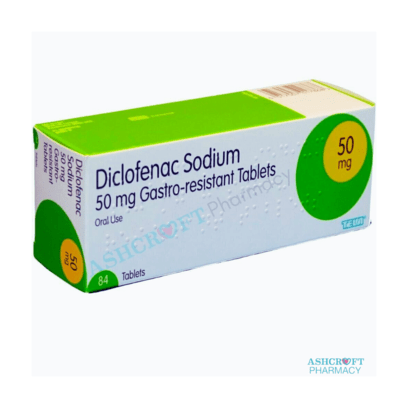
Diclofenac Sodium Tablets

Receive Tomorrow if you place order in next
3. Gentle Massage
Where to massage for period cramps? You must massage your abdomen for 5 minutes each day for 6 days, easing cramping and relaxing your muscles. So, massage with oil or body lotion; however, essential oils are best, including:
- Coconut oil
- Rose oil
- Lavender oil
- Peppermint oil
- Ginger oil
- Fennel oil
- Sage oil
- Cinnamon oil
- Marjoram oil
- Clove oil
Abdominal massage in a circular motion reduces uterine spasms. You can also massage your whole body to ease period cramps. If you have an allergy to any of these oils, avoid that oil.
4. Acupressure
Acupressure uses manual pressure; you can do it yourself or have a practitioner do it. Acupressure on your feet, back, and belly releases endorphins, improves blood flow to the uterus and reduces pain. The steps of acupressure include:
- From your inner ankle bone, measure four fingertips up.
- Gently rub this area for a few minutes.
- Repeat this process daily during your period.
5. Acupuncture
In acupuncture, needles are placed on specific skin areas (acupoints), releasing endorphins (natural pain-relieving chemicals), stimulating the nervous system, and stopping period pain.
Acupuncture relaxes your muscles, and improves blood flow throughout your body. The acupoints for acupuncture are:
- Inside the lower legs
- Between the big toes and the second toes
- Between thumbs and index fingers
- Acupuncture five days before the period offers less pain, making it a reliable solution.

Ibuprofen 400mg Tablets
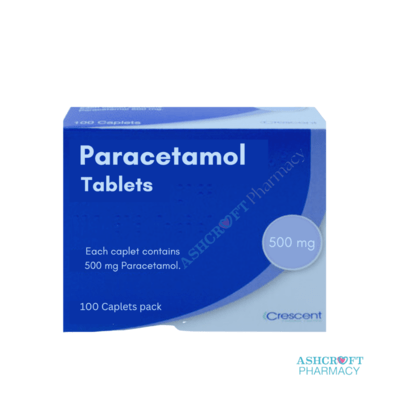
Paracetamol 500mg Tablets
Receive Tomorrow if you place order in next
6. Nerve Stimulation
For nerve stimulation, TENS (Transcutaneous electrical nerve stimulation) therapy is used. In this, electrode patches delivering low-voltage electrical currents are placed on your skin, stimulating nerves or specific areas of your skin, releasing chemicals, and reducing pain. If you do not want to take painkillers, TENS is your way to go.
7. Dietary Changes
Dietary changes also reduce menstrual cramping. So eat a balanced diet, improve your digestion, and stay healthy.
A balanced diet includes:
-
Omega-3 fatty acids - help inhibit inflammation
-
Vegetables such as cauliflower, spinach, kale, asparagus, etc.
-
Fruits such as oranges and avocados.
-
Lean proteins
-
Nuts and seeds
-
Whole grains
-
Fibre-rich diet
-
Legumes such as lentils, beans, and chickpeas
-
Vitamin D - reduces prostaglandin levels
-
Ginger - studies showed a reduction in pain when taken as a capsule or tea.
-
Vitamins B6 - helps regulate hormones and ease mood swings
-
Vitamin B12 - reduces inflammation and fatigue
-
Zinc, i.e. 8 mg per day
8. Reduce Stress
Stress affects your body and immune system in many ways. So reducing stress helps you get relief from your period cramps. To reduce stress:
- Take meditation
- Get counseling
- Perform a deep breathing exercise
- Do yoga
9. Hormonal Birth Control
If your period cramps are due to a hormonal imbalance, hormonal birth control pills will help you. They balance progesterone and estrogen levels, thinning the uterine lining and allowing it to shed easily.
These pills also regulate the frequency and length of your period, stopping period, resolving PMS, and alleviating pain. Besides these pills, some other hormonal birth control methods are effective, including:
- Depo-Provera shot
- Intrauterine devices (IUDs)
- Vaginal ring
- Implant
- The patch
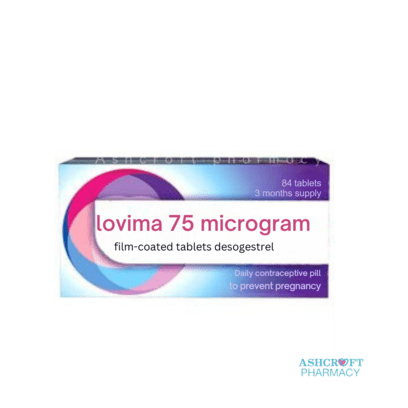
Lovima 75mcg Film-Coated Tablets 28s
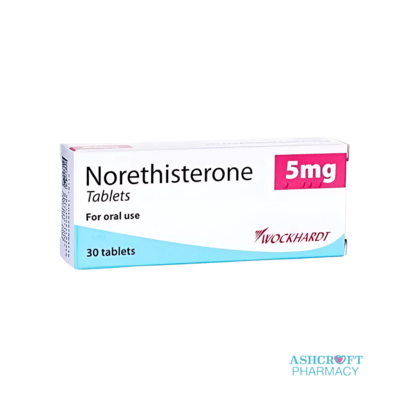
Norethisterone 5mg
Receive Tomorrow if you place order in next
10. Apply Heat
So, if you want to know how to stop period pain immediately at home? Peel and stick a heated patch on your abdomen to relax your uterus’s muscles and reduce period cramps.
Heat patches are easy to use and buy, available online or in many drugstores. You can also use hot water bottles or electric heating pads, but a heat patch is better and more effective.
However, if you are using a water bottle or heating pad, ensure its temperature is less than 104 degrees to avoid burning.
11. Exercise and Yoga
Physical activity is a natural pain reliever. Walking, stretching, strolling, yoga, and other low-impact exercises release endorphins, ease your period pain, and refresh your mood.
Some aerobic exercises, such as biking, jogging, and swimming, relax your muscles and block pain. However, avoid strenuous exercise during these periods, as it will worsen your cramps.
12. Change Your Position
How to get rid of period cramps fast in bed? If you are sitting for too long on your bed or anywhere, change your position to ease cramps.
Stretch, get up, or walk occasionally. If you are sleeping, change your sleep position. Place a pillow under your knees, sleep on your back, or stretch out your legs. You can also use a body pillow for support and comfort.
13. Soak Yourself In a Hot Tub
Soak yourself in a warm bath to relax muscles and reduce period pain. It also eases nighttime cramps, helping you get a good night’s sleep.
Period pain is normal, but it can sometimes interfere with your daily routine. However, specific methods, medications, and home remedies help you tackle this situation effectively.
So opt for the method that best suits you and alleviates your pain. However, if the cramps worsen, consult your doctor for an accurate diagnosis and appropriate treatment.
Resources
FAQ: Effective Painkillers for Period Pain Relief
What is the best painkiller for period cramps?
Ibuprofen is one of the most effective painkillers for period cramps. It reduces inflammation and prostaglandins, the hormone responsible for cramps. It's best taken at the first sign of cramps, with food to help prevent stomach irritation.
How does Naproxen compare to Ibuprofen?
Naproxen lasts longer than ibuprofen, making it an excellent option for managing moderate to severe cramps. It's also effective for pain relief over an extended period.
What is Mefenamic Acid and is it for everyone?
Mefenamic Acid is specifically prescribed for menstrual pain. It's more potent than over-the-counter NSAIDs but requires a prescription. Consult your doctor before use.
Can I use Paracetamol for period cramps?
Yes, Paracetamol is a good alternative for those who cannot take NSAIDs. However, it’s less effective for inflammation but still helps ease pain
How do Birth Control Pills help with period cramps?
Birth control pills don’t act as painkillers but help reduce cramps over time by thinning the uterine lining. They can regulate periods, prevent excessive bleeding, and ease menstrual pain.

Solpadeine Max

Voltarol Max Strength Pain Relief 2.32% Gel
Receive Tomorrow if you place order in next