- Free Standard Delivery Over £45
- UK Registered Pharmacy
- Discreet Delivery
- Authentic & Safe Medication
Skin Infections
Skin is the largest body organ that protects your body from infections. The infections may be a result of germs, bacteria, fungi, or parasites. Skin infections are treatable when the right diagnosis test is done. If you have a skin infection, Ashcroft Pharmacy, a UK-licensed pharmacy, offers a variety of skin infection treatments, including antibiotics, creams, ointments and more.
Info: Before issuing a treatment, you’ll need to answer a short assessment. This will help us recommend the right treatment for you.
Skin Infections medications

Fucidin Cream
From £8.99
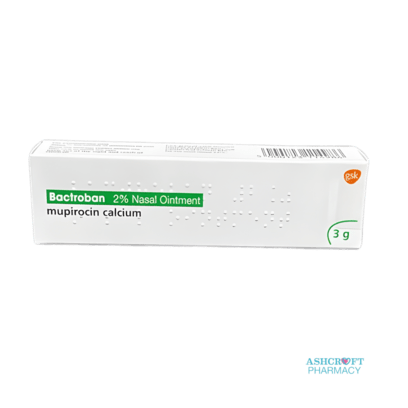
Bactroban 2% Nasal Ointment
From £15.99
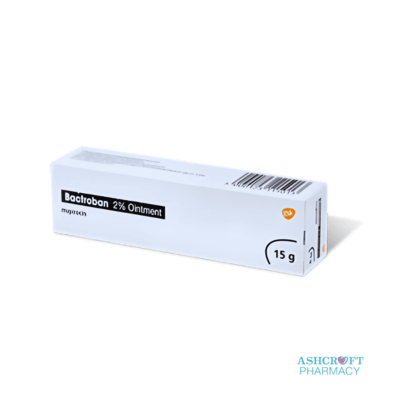
Bactroban Cream & Ointment
From £13.99
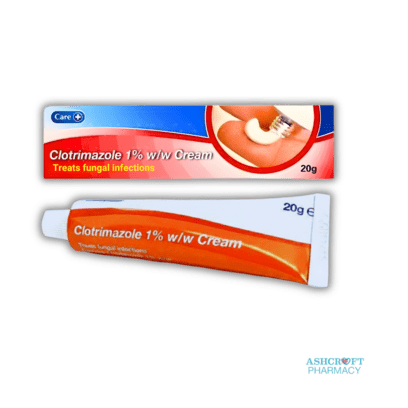
Clotrimazole Cream
From £2.99
Order in the next for Wednesday delivery
Overview
What is a skin infection?
Skin infection is an infection caused by an organism that grows in or on your skin.
Types of skin infections
Below are the 4 types of skin infections:
Parasitic infections:
Lice, scabies, and bed bugs cause parasitic skin infections. The parasites burrow into your skin to live there or to lay eggs. Once they bite, they cause symptoms such as fever, skin rashes, and itching.
Fungal infections (Mycosis):
Fungal infections are caused by yeast or mold. Fungal infections are present on the nails, skin, hair, or mucous membranes. Fungal infections make your nails look thick, discolored, and cracked while your skin becomes red and swollen.
Bacterial infections:
Bacterial skin infection results from bacteria getting into your skin through the hair follicles or skin opening. Skin opening can be a result of scrapes, injury, insect bites, or recurring skin conditions. Examples of bacterial skin infections include boils, impetigo, cellulitis, and leprosy.
Cellulitis bacterial skin infection:
Cellulitis causes pain and discoloration of the skin. Factors that increase the risk of cellulitis are obesity, diatomites, skin injury, and eczema.
Viral skin infection
A virus causes viral skin infections. Viral skin infections are contagious and can cause symptoms such as chicken pox, measles, wart, foot hand, and mouth disease, and shingles.
How is a skin infection diagnosed?
The doctor can diagnose skin infection by performing a visual examination of your skin or by checking the locality of the infection.
How to prevent skin infections?
You can prevent skin infections by avoiding skin infection triggers and practicing healthy lifestyle habits. Below are some of the prevention measures you can adopt.
Cleanliness
Taking a warm bath can help keep your skin clean, but bathing too frequently (such as twice a day) may actually dry out your skin and make it more prone to irritation. Also regularly cleaning any material that gets into contact with your skin will keep skin infections at bay. These materials include bedding, clothes, and cushion cases.
Use protective barriers when using public facilities
Gym and communal bathrooms expose you to the dangers of skin infections. Use your clean towels when wiping out sweat as well as gloves to clean public facilities.
Moisturize your skin appropriately
Dry skin may crack leading to entry of bacteria through your skin. Moisturizing your skin keeps it smooth and well hydrated, preventing cracks and flakes.
Protect your skin from cuts
Always put on protective gloves when handling sharp edges.
Avoid sharing personal items
Sharing personal items such as towels and makeup kits can spread skin infections.
Check up your skin regularly with a dermatologist
If you have a history of recurring skin infections, you must go for skin checkups and seek medical advice.
Taking vaccinations
Vaccinations such as chicken pox help prevent skin infections by strengthening your immune system.
Drinking enough water
Water helps by keeping your skin hydrated. If you are not fond of plain water you can add more fruits and vegetables to your diet. Another strategy is the use of measuring water bottles to keep track of the amount of water you take per day.
Causes
What causes skin infections? There are 4 major causes of skin infections: Bacteria, fungi, parasites and viruses
Symptoms
What are the symptoms of skin infections?
Skin infection symptoms vary, they can be attributed to factors such as the immune system(weak), the cause of an infection, and the type of infection.
Common symptoms of skin infection include:
- Itching
- Lesions
- Purple color on dark skin and red color on pale skin. (redness of the skin is majorly caused by cellulitis bacteria skin infection)
- Painful tender skin
Rare symptoms of skin infection include:
- Widespread inflammation (prolonged skin infection are sign of skin infection)
- Blisters
- Pain
- Discoloration
- Breaking down of the skin
- Pus (fluid made up of dead white blood cells that are produced to fight infection)
- Necrosis /tissue death
- Yellow crust. (yellow crust indicates signs of pus beneath the skin surface which is a result of impetigo infection)
- Fever (raises your temperature in response to fighting infection)
Treatments
Skin infection treatments
Skin infection treatments are given according to the severity of the symptoms and the cause of the infection. Diagnosis helps the doctor identify the specific type of infection you are suffering from and the best type of treatment.
Viral infections cannot be treated with antibiotics some of the symptoms go away on their own needing no medication.
The most common skin infection treatments are antifungals, antibiotics, antivirals, and antiparasitics. Below are the recommended treatments for various types of skin infections.
Bacterial skin infection:
Bacterial skin infections can be treated with antibiotics such as fucibet cream
Treatment for parasitic skin infection
The doctor may recommend oral parasitic medications. Parasitic skin infections are also treatable with a change of lifestyle techniques such as maintaining a healthy skincare routine and cleanliness.
Medication for Viral skin infection
Viral skin infection is treatable with oral medication, topical treatments, or antiviral treatment.
Treatments for Fungal skin infection
Canesten cream is highly recommended for treating fungal skin infections. It works quickly and is reliable.
FAQ
How long does a skin infection last?
There are skin infections that can disappear on their own, however, skin infection symptoms can take between 3 to 2 weeks to disappear. If your current treatments don't work visit your pharmacist for further advice.
How do you know the difference between bacterial and fungal skin infections?
The best way to know the type of skin infection affecting you is to get diagnosed by a dermatologist.
What is the strongest natural antibiotic for skin infection?
Examples of natural antibiotics to treat skin infections include garlic, cloves, honey, and ginger.
Which is the most common and contagious skin infection?
The most common and highly contagious skin infection is known as impetigo.
What does a skin infection look like?
Most skin infections show symptoms such as rashes, irritation, itching, and small growth.
How do skin infections start?
Skin infections start when bacteria enter the skin or you get a skin bite.
How to feel better from skin treatments?
Follow your doctors' instructions by taking the right dosage, and avoid sharing antibiotics with family or friends.
Hear from our customers...
Loading reviews...
Ordering is quick and easy!

Step 1:
Select the Treatment You’d LikeOur medical team will check it’s safe and suitable for you.

Step 2:
Free Online ConsultationStart a free 2 minutes online consultation with simple questions about your health.

Step 3:
Express DeliveryYour treatment will be sent direct from our pharmacy in discreet packaging.